Hey everyone, thanks for stopping by. If you’re in the market for urology devices, you’ve probably run into the big debate: disposable vs. reusable. As someone who’s been in the urology device supply game for years, I talk to clinicians, clinic managers, and even practice owners every single day about this exact question. It’s not a one-size-fits-all answer, but breaking it down isn’t as confusing as it sounds. Let’s cut through the jargon and get real about the differences. Urology Device

First, let’s start with the basics. Disposable urology devices are single-use, right? You open the packaging, use it on a patient, then toss it. Reusable ones, on the flip side, are built to be cleaned, sterilized, and used on multiple patients. But wait—there’s way more to it than that, especially when it comes to what clinicians actually care about: patient safety, cost, workflow, and outcomes.
Let’s talk patient safety first, because that’s the non-negotiable for anyone in healthcare. I can’t tell you how many times a urologist has told me, “I won’t touch a reusable scope that I didn’t see processed myself.” Why? Even with strict reprocessing protocols, reusable devices carry a tiny but real risk of cross-contamination. I’m talking about things like bacteria, viruses, or even residual tissue that might get missed during cleaning. Some studies have shown that certain reusable urological tools—like flexible cystoscopes, for example—have narrow lumens that are super hard to get fully clean. Even with the best automated washers and manual pre-cleaning, there’s a chance organic matter can get stuck in those tiny tubes, and if the sterilization cycle is compromised (say, a load isn’t run correctly), you’re at risk for passing something from one patient to the next. Disposables eliminate that risk entirely because there’s no contact with another patient. You use it once, then it’s gone. That’s a huge win for infection control, especially in times when healthcare-associated infections (HAIs) are such a big focus.
But hold on—reusables aren’t all bad when it comes to safety, right? Modern reprocessing has come a long way. There are standardized, evidence-based protocols for cleaning and sterilizing most reusable urology tools, and facilities that follow those to the letter have really low cross-contamination rates. The problem is, not every clinic has the resources to stick to those protocols perfectly. Small practices, for example, might be short-staffed, so sometimes reprocessing gets rushed. That’s where disposable devices shine—they take that human error variable out of the equation.
Next up: cost. This is probably the number one question I get from practice managers. Let’s do the math here because it’s not as simple as “disposables are more expensive.” At first glance, a single disposable cystoscope might cost a few hundred dollars, while a reusable one is a big upfront investment—like a thousand bucks or more. But then you have to factor in the ongoing costs for reusables: sterilization equipment, cleaning supplies, manual labor for processing, repair and maintenance (reusable tools wear out over time, right? A scope’s lens can scratch, a working channel can get damaged, and that means you’ve got to pay for repairs or replace it sooner than you’d think). For a small clinic that only does 10 cysto procedures a week, the upfront cost of a reusable might not make sense—they’d have to process it a ton, and the labor cost might be higher than just using disposables. But for a big hospital that does 50 procedures a day, the per-use cost of a reusable drops way down because you’re spreading the initial investment over so many uses. That said, don’t sleep on hidden costs for disposables too—like packaging waste, and the hassle of disposing of biohazardous single-use waste, which isn’t free. It’s a balance, and it totally depends on your clinic’s volume, size, and resources.
Workflow is another big one, and clinicians notice this immediately. Disposable devices are pre-packaged, sterile, and ready to go the second you open the box. No waiting for a sterilizer cycle, no digging through storage for a specific reusable tool, no double-checking that it was processed correctly at the end of the day. For busy urology clinics or surgical settings where time is money, that convenience is huge. A urologist can grab a disposable device, get to the patient faster, move through their schedule more efficiently, and see more patients in a day. Reusables, on the other hand, require coordination with the sterile processing department (SPD). The SPD team has to pick up the used device, clean it, sterilize it, restock it—all of that takes time. If the SPD is backed up, you might have to wait days for a reusable scope, which can delay patient care or mean you use a less ideal device. That’s not to say reusables are inconvenient for everyone—small practices with their own in-house sterilization might have a smoother workflow, but still, there’s an extra step involved.
Wait, let’s get into device performance too, because that’s what affects actual patient care. A lot of clinicians I work with swear by the image quality of flexible reusable cystoscopes—they say the optics are sharper, the maneuverability is better, so they can get a clearer look at the urethra and bladder. But disposable devices have come a long way in recent years. The tech used in single-use urology tools is really improved now—you’re not just getting a basic, low-quality scope anymore. Some disposables have high-definition optics that are almost on par with reusable ones, and the ergonomics are designed to be comfortable for both the clinician and the patient. I’ve had urologists tell me they used to hate disposable devices because they felt flimsy, but now? They can barely tell the difference. The only time you might see a performance gap is with very specialized reusable tools that have been used hundreds of times—wear and tear can dull the optics or make the device less flexible, which might impact accuracy during procedures. When that happens, you’ve got to pull it out of service and repair it, which adds to that cost we talked about earlier.
Patient experience is another piece of the puzzle that’s easy to overlook. Disposable devices—especially things like catheters, ureteral stents, or surgical instruments—are designed to be atraumatic, meaning they’re gentler on tissue. Because they’re single-use, the manufacturer can optimize the design for that exact purpose without having to worry about making it durable for multiple uses. I’ve had patients tell me that a disposable catheter was way less painful than a reusable one they’d had before. Reusables, especially if they’re worn or not lubricated properly, can irritate tissue more, leading to more discomfort during and after a procedure. That’s a big deal for patient satisfaction, which is such a big part of healthcare now.
Now, let’s talk about the environmental side, because that’s been coming up more and more with clients lately. Single-use devices generate more waste, obviously—packaging, the device itself, all ending up as medical waste. Reusables are better for the planet long-term because they reduce that waste, but only if they’re actually reused properly. If a reusable device is repaired and used for 10 years instead of being tossed after one use, the overall carbon footprint is way lower. But if a reusable device gets damaged early and has to be replaced, or if processing uses a ton of water and energy (sterilizers require a lot of power), that footprint goes up. It’s another balance—environmental factors depend on how well the device is maintained and processed, not just whether it’s disposable or reusable.
So, what’s the takeaway here? There’s no “better” option overall—it’s all about your specific situation. A large academic medical center that does hundreds of procedures a week, has a dedicated SPD team, and prioritizes long-term cost and reprocessing protocols might lean into reusables. A small private practice that sees a handful of patients a week, wants to cut down on workflow hassle, and prioritize infection control might go with disposables. Some clinics even use a mix—like using disposables for high-risk procedures where infection control is critical, and reusables for routine, low-risk procedures where cost and sustainability matter.
At the end of the day, the goal for every clinic is to keep patients safe, get good outcomes, and keep the practice running smoothly. As a urology device supplier, my job isn’t to tell you which one to pick—it’s to give you the facts, break down the pros and cons specific to your practice, and help you make the choice that works for you. If you’re tired of guessing, if you want to walk through your specific procedure volume, patient needs, or budget, hit us up. We can chat, answer questions, and help you figure out what makes sense for your clinic. No pressure, no sales pitch—just real talk about what works for urology teams.
Wait, let’s make sure I didn’t miss anything. Oh, right—regulatory stuff! Both disposable and reusable urology devices have to meet strict FDA (or equivalent, depending on where you are) guidelines for safety and performance, so you don’t have to worry about one being inherently less regulated than the other. That’s a big one, because a lot of people assume disposables are cut corners, but they have to go through the same rigorous testing. Another thing: training. Using a new device—whether disposable or reusable—might need a little training, but disposables are usually more intuitive, so staff get up to speed faster. Reusables might require training on proper handling, reprocessing, and maintenance, which is extra time and cost for practices.
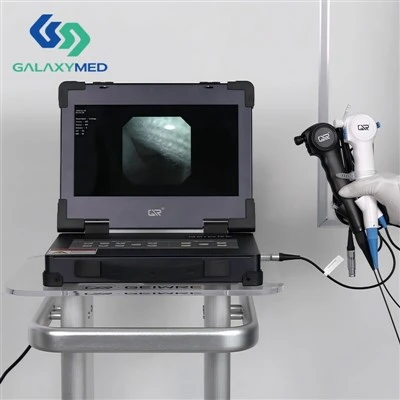
I think that covers the main differences. It’s not a black and white answer, but breaking it down by safety, cost, workflow, performance, and patient experience makes it way easier to decide. If you’re looking to switch things up or just want to learn more about how each option works for your practice, reach out. We’re here to help you navigate all the stuff that goes into picking the right urology devices for your team and your patients.
Hospital Supply References
- Centers for Disease Control and Prevention (CDC). Guidelines for the Prevention and Control of Healthcare-Associated Infections, 2021.
- American Urological Association (AUA). Clinical Practice Guidelines for Urological Device Selection and Reprocessing, 2022.
- World Health Organization (WHO). Single-Use vs. Reusable Medical Devices: Safety, Cost, and Environmental Considerations, 2020.
- Journal of Urology. "Comparison of Cross-Contamination Risks Between Disposable and Reusable Flexible Cystoscopes", 2019, Vol. 202, No. 3.
- Healthcare Financial Management Association (HFMA). Cost Analysis of Medical Device Selection for Outpatient Urology Practices, 2023.
Galaxymed Technology Co., Ltd.
As one of the most professional urology device suppliers in China, we’re featured by good quality products and in-time service. Please rest assured to buy hospital grade urology device made in China here and get quotation from our factory. Also, small qty acceptable.
Address: 88 Dongchang Road, Suzhou Industrial Park, Suzhou City, Jiangsu Province, China
E-mail: Sales@galaxymed.com.cn
WebSite: https://www.galaxy-medic.com/
