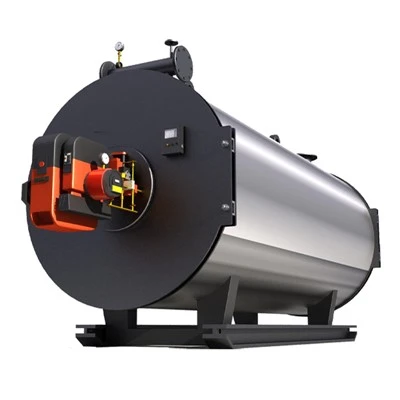
Hey there! If you’re running a building with a hot water boiler—whether it’s for a small apartment complex, a local café, or a multi-story office—you know how important it is to keep that thing running smooth. I’ve been supplying hot water boilers for over a decade now, and one question I get all the time is, “How do I properly test the pH level in my boiler system?” Look, I get it—when you’re busy dealing with repairs, scheduling maintenance, and making sure heat’s on when it’s cold out, pH testing might feel like a tiny, boring task. But trust me, skip this, and you’ll end up with corrosion, scale buildup, or worse: a boiler that dies way before it should. I’ve seen it happen too many times, and it’s never pretty. So today, let’s break this down like we’re chatting over a coffee, no fancy jargon or confusing steps. This is how you actually do it, and why it matters for your boiler’s lifespan. Hot Water Boiler
First off, let’s keep it real: what even is pH for a boiler? You remember from high school chemistry, right? pH is that scale from 0 to 14—7 is neutral, below that is acidic, above is alkaline. For hot water boilers, we want that number to be between 8.0 and 9.5. Why? If it’s too low (acidic), the water will start eating away at the metal pipes, the boiler’s steel walls, and the heat exchanger. That leads to tiny holes, leaks, and eventually, you’re looking at a full boiler replacement way sooner than you planned. Too high (alkaline, above 9.5), and you get scale—those hard, crusty deposits that build up on the inside of the boiler. Scale insulates the metal, so the boiler has to work way harder to heat water, which wastes energy and drives up your utility bills. It can also clog pipes and valves, causing pressure issues. Neither scenario is fun, so getting pH right is non-negotiable.
Now, let’s talk about the supplies you’ll need. You don’t need some fancy lab equipment, I promise. As a boiler supplier, I recommend keeping these basics on hand: first, a reliable pH test kit. I’ve tried cheap, drugstore ones before, and they’re garbage—they give inconsistent readings, especially for boiler water. Go for a liquid test kit (not the strip ones, those fade fast when exposed to heat) made specifically for hot water systems. You can pick these up at most hardware stores or order them online, no problem. Next, a clean, small sample cup—nothing with leftover soap or detergent, that will skew the results. A pair of gloves, too, just in case the water’s hot (always let the boiler cool down a bit, though—we’ll get to that). And a notepad or your phone to write down readings, so you can track changes over time. Consistency is key here.
Wait, hold up—before you run to test anything, let’s cover the prep. First, turn off the boiler’s heat and let it cool for at least 30 minutes. You don’t want to dip your cup into scalding water, that’s a safety hazard, and also, testing hot water will give you a wrong reading. pH levels shift when water’s at different temperatures, right? So room temp is best. Next, you need to take the sample from the right spot. A lot of people make the mistake of testing the water straight from the tap that feeds the boiler, but that’s not the actual water inside the boiler. You want to test the return line or the test cock on the boiler itself—That’s where the system’s actual circulating water is. Turn the valve slowly, let a little water run out to flush the line (so you’re not getting leftover water from the pipe), then fill your clean sample cup. That’s your test sample—done right here.
Okay, now the actual testing step. For liquid test kits, they usually come with a few vials, a dropper, and a color chart. Here’s how I do it every time: first, fill the vial to the marked line with your sample water. Then, add 2 or 3 drops of the pH indicator solution (usually phenolphthalein or something similar—don’t stress, just follow the kit’s instructions, they’re super simple). Put the cap on and swirl the vial gently to mix it up. Wait about 10 seconds—don’t wait too long, or the color will change, and don’t rush it either. Now, compare the color in the vial to the color chart that came with the kit. Hold it up to natural light, not under a lamp or overhead light, because artificial light can mess with how you see the color. If it’s a light blue, that’s probably around 8.0; a darker blue is higher, like 9.0 or 9.5. If it’s pink or red? That’s acidic, below 7.0. Yellow? Maybe around 7.5. Easy, right?
Wait a second—what if the reading is off? Don’t panic. I’ve had this happen a bunch. If the pH is below 8.0, that’s acidic. You need to add a boiler alkalizer (some people call it pH up, but make sure it’s formulated for hot water boilers—don’t use pool chemicals, those have extra stuff that’s bad for boiler metal). Follow the instructions on the bottle: usually, you add a certain amount per gallon of water, circulate it through the system for a few hours, then retest. If it’s above 9.5, that’s too alkaline. You’ll need to do a partial drain and refill of the boiler, flushing out the excess alkaline water, maybe add a pH down solution if needed—again, only one made for boilers. Don’t overcorrect, though! If you jump from 7.0 to 9.5 all at once, that can cause its own issues. Make small adjustments, retest after each change, until you hit that sweet spot.
How often should you test? That’s another big question. For new boilers, I recommend testing every month for the first six months, to make sure the water chemistry is stabilizing. Once it’s been running for a year, every 3 months is enough, unless you notice something off—like unusual noise from the boiler, leaks, or higher energy bills. If you see any of that, test right away. Also, if you drain and refill the boiler (which you should do annually, by the way), test the pH after refilling, too, because new water can throw off the balance.
Wait, let’s chat about common mistakes people make here, because these are the ones that cause all the problems. First, testing too soon after the boiler runs. If you test right when the boiler’s been heating, the water is hot, and as I said earlier, pH readings are off. Always wait for it to cool. Second, using test strips. Yeah, they’re cheap, but they get saturated with minerals and heat, so after a week, they’re useless. I’ve seen guys test with strips, get a wrong reading, add chemicals that mess up the system, and end up with a bill for $2,000 in repairs. Don’t do that. Third, not flushing the sample line. If you just open the test cock and fill the cup immediately, you’re getting old, stagnant water from the pipe, not the circulating boiler water. That will give you a false reading every time. Fourth, using the wrong chemicals. Pool pH adjusters have chlorine or other additives that eat at boiler metal—you need boiler-specific products, I can’t stress that enough.
Now, why does this matter for the lifespan of your boiler? Let’s do a quick math check. A good boiler should last 15-20 years if maintained right. If you skip pH testing, corrosion will eat through the metal in 5-7 years, so you’re replacing it twice as fast. That’s a huge cost, right? As a boiler supplier, I want my customers’ boilers to last as long as possible, because that means they’ll come back for replacements when the time comes, but also, I hate seeing people waste money on avoidable repairs. Scale buildup is another one: scale can reduce the boiler’s efficiency by 20% or more. So if you’re paying $100 a month in gas bills, that’s an extra $20 a month just because of scale. Over a year, that’s $240, and over 10 years, that’s $2,400. All because you skipped a 5-minute pH test.
Wait, let’s also talk about the bigger picture if you’re managing a commercial building. If you have multiple boilers, or a large system, pH testing isn’t just a personal thing—it’s part of compliance. Some local building codes require regular water chemistry testing for boiler systems to prevent cross-contamination or environmental issues. If you get audited, and you can’t show records of pH testing, that’s a fine, maybe even shutting down the building’s heat. Yeah, it’s that serious. So keeping track of your readings (write them down, date them) isn’t just for your boiler—it’s for your peace of mind and your wallet.
Let me wrap this up with a quick, step-by-step cheat sheet so you don’t forget: 1. Turn off the boiler and let it cool 30+ mins. 2. Grab liquid boiler test kit, clean sample cup, gloves. 3. Flush the test cock/return line, fill sample cup. 4. Test with liquid kit, match color to chart in natural light. 5. Target pH: 8.0-9.5. Adjust small amounts if off, retest. 6. Test every 1-3 months, more if new boiler.
Look, I know this feels like another chore on your to-do list, but it’s one of the easiest, cheapest ways to keep your hot water boiler running strong. I’ve been in this game long enough to tell you: the guys who skip regular pH testing are the ones calling me at 2 a.m. with a broken boiler and a panic in their voice. The ones who test regularly? Their boilers run for decades, they don’t have surprise repairs, and their energy bills stay low.
If you’re looking for a new boiler, or you need parts, test kits, or advice on maintaining your current one, I’m here to help. Just reach out—we can chat about what system works best for your space, or walk you through any questions you have about pH testing or boiler maintenance. Don’t wait until something breaks; take 10 minutes a month to test that pH, and you’ll save yourself a ton of hassle (and money) down the line.
Before I go, let’s keep it real one more time: this isn’t rocket science. You don’t need an engineering degree to test boiler pH. You just need to follow these simple steps, use the right supplies, and be consistent. I’ve watched part-time handymen, small business owners, and building managers with zero technical background do this successfully for years. It’s worth every second.
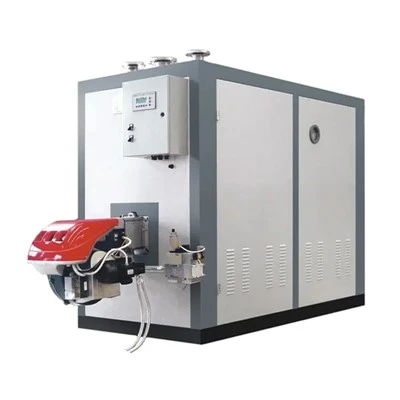
Electric Steam Boiler References
- Hydronics Institute. (2019). Water Treatment Guidelines for Hot Water Boilers. Hydronics Institute Press.
- American Society of Heating, Refrigerating and Air-Conditioning Engineers (ASHRAE). (2021). ASHRAE Handbook: HVAC Systems and Equipment. ASHRAE.
- Spirax Sarco. (2020). Boiler Water Chemistry: Essential Practices for Corrosion Prevention. Spirax Sarco Technical Literature.
- National Board of Boiler and Pressure Vessel Inspectors. (2018). Field Guide to Boiler Water Testing. National Board of Boiler and Pressure Vessel Inspectors.
Xinxiang Huayuan Container Equipment Co., Ltd.
With abundant experience, we are one of the most reliable hot water boiler manufacturers and suppliers in China. We warmly welcome you to buy durable hot water boiler made in China here from our factory. If you have any enquiry about cooperation, please feel free to email us.
Address: No.2, South Road, Industrial Cluster Zone, Genghuang Township, Fengquan District, Xinxiang City, Henan Province
E-mail: cncd527@gmail.com
WebSite: https://www.huayuanequipment.com/
