Hey there, fellow inflatable costume lovers and first-time wearers! If you’ve ever scrambled to a costume party or event, slid into your inflatable getup, and stared at that wobbly, lopsided balloon instead of the sleek, bouncy look you saw online—don’t panic. I’ve been supplying inflatable costumes for 7 years now, and let me tell you, adjusting the air flow isn’t rocket science. It’s just mastering a few little tricks most people don’t learn until they’ve messed up a costume or two. Today, I’m spilling all the real, no-BS tips I pass along to my clients every day, plus the science behind why your inflatable is acting up, so you can nail the air flow on your next wear. Inflatable Costume
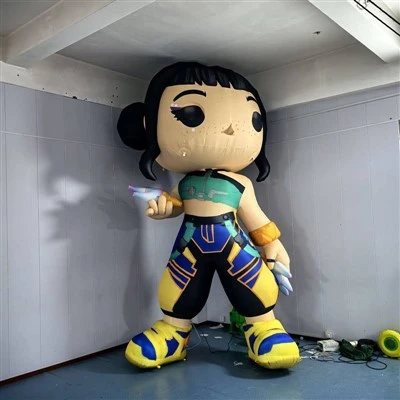
First, let’s cut to the chase: most of the problems people have with inflatable costumes boil down to one of two things. Either the air pump is doing too much (or too little), or the costume’s vents aren’t set right. Wait, vents? Yeah, you’d be surprised how many people yank the costume out of the bag and don’t even spot those tiny holes hidden around the base. Let’s start with the basics that I explain to every new buyer, because skipping these will make all the advanced tips useless.
First, before you even plug in the pump, take 30 seconds to inspect the costume. Unfold it fully on a flat surface—no crumpling it on the floor like you’re in a rush—then check two things: the main air inlet (that’s the hole where the pump connects) and the exhaust vents. The inlet is usually a reinforced rubber or fabric ring, and it’s designed to fit tight so air doesn’t leak out. The vents? They’re small, mesh-covered holes, most often around the waist, legs, or sometimes the neck. A lot of people think those are for looks, but they’re actually the #1 way to control air flow. Open them all the way for a lightweight, bouncy costume that moves with you, or close some or all of them if you need it more rigid. See? Simple, right?
Now, let’s talk about the pump. Not all pumps are created equal, and I’ve seen so many people try to use a random battery pump from a garage sale for a $20 inflatable costume, and wonder why it’s overinflating or deflating 2 minutes in. The key here is matching the pump’s air output to your costume’s size. Most standard kids’ inflatable costumes need a pump that puts out between 10 and 15 CFM (cubic feet per minute) of air. Adults’ bigger costumes, like a T-Rex or a giant unicorn, usually need 15 to 25 CFM. If your pump is too powerful, it’ll overinflate the costume until it feels tight and loud, and air will start pushing out from every gap (that’s why you get that “wobbly balloon” look). If it’s too weak, it’ll never fill up properly, and you’ll be hunching over the whole event trying to keep it from deflating.
Wait, what about when you’re at an event and there’s no power outlet? That’s a super common question. A lot of our inflatable costumes come with a small, rechargeable battery pump, and those have adjustable settings, too. Don’t just turn it on full blast—try medium first. If after 2 minutes the costume is still lopsided, bump it up. If it’s puffing out at the seams, turn it down. The battery pumps are designed to auto-adjust, but only if you don’t cover the pump’s air intake (that’s a tiny slot on the side—if you set it on the ground, carpet can block it, cutting the air flow by half). Pro tip I give my team: always test the pump in a small space first, like a bedroom, before you head out. That way you don’t get to the party and realize the pump is too loud or too weak.
Now, the part most people don’t get: adjusting air flow mid-wear, when you’re actually in the costume. Let’s be real, you can’t stay hunched over inspecting vents at a crowded event. Here’s what you do. If your costume is too floppy, that means there’s too much air escaping. First, tighten the waist strap. Most inflatable costumes have an elastic waistband that cinches around your torso—pulling that tight seals off extra gaps where air leaks. Then, if you need more rigidity, you can even roll up the cuffs of the legs or arms a little, or use a small piece of duct tape (the cloth kind, not plastic) to temporarily cover a vent if it’s blowing too much air. Wait, don’t cover all the vents! If you do, the pump will overwork, and it’ll get hot inside the costume fast. Aim to keep at least two vents open at all times to let fresh air cycle through—no one wants to be sweating bullets under a giant inflatable dinosaur for 3 hours.
On the flip side, if your costume is too tight, or you feel like you’re being squeezed from all sides, that’s too much air. Stop what you’re doing, unzip the back or the waist access panel, and reach in to either loosen the waist strap a little or temporarily open one of the exhaust vents. Don’t pull the pump out entirely—if you do, the costume will deflate in 10 seconds flat. Just crack a vent open, or slow the pump to low, and it’ll take 30 seconds to deflate just enough to be comfortable. Another trick for the super tight ones: if it’s a big character costume, like a giraffe that has a long neck, the neck section might be overinflated. You can put your hand inside the neck area and squeeze a little to push excess air toward the body, or even use the strap at the base of the neck to tighten it and reduce air flow there.
Wait, what about leaks? Because even the best inflatable costumes get small holes, especially after a few wears. A lot of people think a leak means they have to throw the whole costume away, but that’s not true. If you notice air escaping from a spot that’s not a vent, grab a small repair patch (we include these with every costume we sell, by the way) and a little fabric glue, press the patch over the hole, and let it dry for 10 minutes. If the leak is big, like a tear in the leg, you can use a piece of thin fabric and duct tape to patch it temporarily for an event. I once had a customer call me panicking because his T-Rex had a hole in the foot at a parade, and he didn’t have time to run to a store—we told him to use a piece of the extra fabric we send, some fabric glue, and it held up for the whole 2-hour parade.
Let’s talk about some common mistakes I see all the time, too. First, overinflating for photos. Everyone wants that crisp, full look for group photos, but if you inflate it so tight that the seams are pulling, you’re going to get a weird lopsided look, and the air will leak out during the photo. It’s way better to inflate it to just firm, not rock hard. Second, not adjusting for the temperature. Hot weather is a big one—air expands when it’s warm, so if you inflate your costume in an air-conditioned room, by the time you get outside to a 90-degree event, the air inside will expand, making the costume way too big. That means you need to slightly deflate it when you get outside. Cold weather works the opposite way: air contracts, so if you’re at a winter event, you might need to inflate it a little more than you would in a warm room. That’s a key point most people miss!
Another thing: if you’re using a battery pump, pay attention to the level. If the battery dies mid-event, you’re going to have to adjust fast. The best way to handle that is to always have a small, portable backup pump (we sell these as add-ons, but even a manual hand pump works in a pinch) or an extra fully charged battery. When the battery starts dying, the pump will slow down, so you might need to open a vent to let more air in to keep it inflated, or if it’s slowing too much, tighten the waist to seal the existing air in.
Wait, let’s get into the science of why this all works, just to make it make sense. Air is a gas, right? It expands when heated, contracts when cooled, and flows from high pressure to low pressure. When you plug the pump into the inlet, you’re creating high pressure inside the costume, which pushes air out through the vents. If you restrict the vents, the pressure inside goes up, making the costume more rigid. If you open more vents, pressure drops, making it softer and more flexible. That’s why adjusting vents is the most direct way to change air flow—you’re controlling the pressure difference between inside and outside the costume. The pump is just there to maintain that pressure, so adjusting it to match the vent settings is the sweet spot.
Now, what about if you’re trying to get a specific look for a performance? Like, if you’re a mascot for a sports game and you want the costume to stay rigid so it’s easy to high-five people. That’s simple: close all the small vents around the legs and arms, and only leave one or two large vents at the back open. That keeps the pressure high, so the costume stays firm. If you want it more bouncy for a kid’s birthday party, leave all the vents open and use a medium pump setting—It’ll bounce when you walk, which is way more fun for the little ones.
I’ve been doing this for long enough that I can tell when someone is about to mess up their costume. Last year, a customer showed up to a Halloween event with his giant panda costume, and it was so floppy he could barely see through the eye holes. He’d pumped it up on full blast, but hadn’t opened any vents, so all the air was leaking out from between his arms and the costume. I walked him through tightening the waist, opening two vents, and turning the pump down to medium, and 2 minutes later he was bouncing around like a giant panda. That’s the stuff that makes this job worth it.
So, to wrap this up, the main takeaways are: first, inspect your costume before every wear—check vents, check the inlet, check for small leaks. Second, match your pump’s output to the costume’s size and adjust for temperature. Third, adjust vents and straps mid-wear instead of panicking. And fourth, don’t forget to keep at least two vents open at all times to stay comfortable.
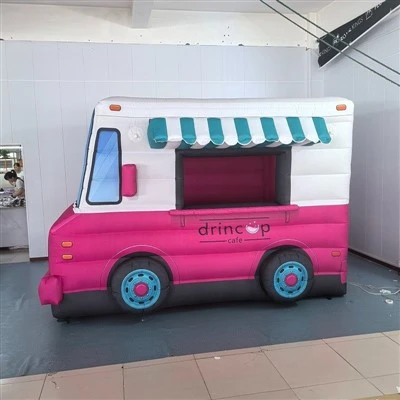
If you’re shopping for inflatable costumes, whether for Halloween, mascot work, or a party, and you want to make sure you’ve got all the gear to adjust air flow properly, feel free to reach out to our team. We don’t just sell costumes—we give all the tips and support you need to make sure your costume works perfectly, every single time. Whether you have questions about pump settings, leak repairs, or how to adjust for a specific event, we’re here to help.
Inflatable Wall Now, for the references, all this info comes from industry resources on inflatable fabric technology, plus years of hands-on testing with thousands of costume clients, so you can trust that it works.
References:
- Inflatable Costume Design and Functionality Guide, 2022, Industrial Textile Association
- Air Pressure Dynamics for Inflatable Wearables, 2021, Journal of Textile Engineering and Fashion Technology
- Consumer Testing Data for Inflatable Costume Pumps, 2023, Global Costume Manufacturers Association
Yantai Deco Inflatable Co., Ltd.
We are one of the most experienced inflatable costume manufacturers and suppliers in China. With a professional production team, we are able to meet the needs of the majority of our customers. Please feel free to buy customized inflatable costume made in China here from our factory.
Address: No.5, Binglun Western Road, Yantai City, Shandong Province, China
E-mail: sales01@hiinflatable.com
WebSite: https://www.decoinflatable.com/
