When it comes to the oil and gas drilling industry, maintaining the quality of drilling fluid is of utmost importance. Drilling fluid, also known as drilling mud, serves multiple crucial functions during the drilling process, such as cooling and lubricating the drill bit, carrying cuttings to the surface, and providing hydrostatic pressure to prevent wellbore collapse. However, during the drilling operation, the fluid accumulates fine solids, which can significantly degrade its performance. This is where a desilter, an essential component in a solid control system, comes into play. As a supplier of solid control systems, I’m frequently asked about how a desilter effectively removes fine solids from drilling fluid. In this blog, I’ll delve into the working principles, key components, and the significance of a desilter in the overall drilling process. Solid Control System

Understanding the Basics of Drilling Fluid Contamination
Before we discuss how a desilter works, it’s essential to understand the nature of the fine solids that contaminate drilling fluid. During the drilling process, the drill bit grinds through rock formations, producing cuttings of various sizes. While larger cuttings can be relatively easily removed by shale shakers and other primary solid control equipment, fine solids, typically in the range of 15 – 44 microns, pose a more significant challenge. These fine solids can cause several issues if not properly removed, including increased wear and tear on drilling equipment, reduced drilling efficiency, and potential damage to the formation being drilled.
The Working Principle of a Desilter
A desilter operates based on the principle of hydrocyclone separation. Hydrocyclones are simple yet highly effective devices that use centrifugal force to separate particles of different densities. The desilter consists of a series of hydrocyclones, typically ranging from 4 – 12 inches in diameter, depending on the specific application and the volume of drilling fluid to be processed.
Here’s a step-by-step breakdown of how a desilter removes fine solids from drilling fluid:
- Inlet: The contaminated drilling fluid is pumped into the desilter under pressure through the inlet. The inlet is designed to introduce the fluid tangentially into the hydrocyclone, creating a swirling motion inside the cone-shaped body of the hydrocyclone.
- Centrifugal Force: As the drilling fluid enters the hydrocyclone in a swirling motion, centrifugal force is generated. This force causes the heavier fine solids to move towards the outer wall of the hydrocyclone, while the lighter fluid moves towards the center.
- Separation: The swirling motion of the fluid and the resulting centrifugal force separates the fine solids from the drilling fluid. The heavier solids are forced downwards towards the apex of the hydrocyclone, while the cleaner fluid moves upwards towards the overflow outlet at the top.
- Underflow and Overflow: The separated fine solids exit the hydrocyclone through the underflow outlet at the bottom, while the cleaned drilling fluid exits through the overflow outlet at the top. The underflow, which contains a high concentration of fine solids, can be further processed or disposed of properly, depending on the nature of the solids and environmental regulations. The overflow, which is the cleaned drilling fluid, can be recycled back into the drilling process.
Key Components of a Desilter
A desilter consists of several key components that work together to ensure efficient separation of fine solids from drilling fluid. These components include:
- Hydrocyclones: As mentioned earlier, the hydrocyclones are the heart of the desilter. They are designed to create the necessary centrifugal force to separate the fine solids from the drilling fluid. The number and size of the hydrocyclones used in a desilter depend on the specific requirements of the drilling operation, such as the flow rate and the concentration of fine solids in the drilling fluid.
- Inlet Manifold: The inlet manifold is responsible for distributing the contaminated drilling fluid evenly among the hydrocyclones. It is designed to ensure that each hydrocyclone receives an equal amount of fluid, which helps to optimize the separation efficiency of the desilter.
- Overflow Manifold: The overflow manifold collects the cleaned drilling fluid from the overflow outlets of the hydrocyclones and directs it back to the drilling fluid system. It is designed to minimize pressure losses and ensure a smooth flow of the cleaned fluid.
- Underflow Manifold: The underflow manifold collects the separated fine solids from the underflow outlets of the hydrocyclones and directs them to a collection tank or further processing equipment. It is important to design the underflow manifold to prevent clogging and ensure a continuous and efficient discharge of the solids.
- Frame and Support Structure: The frame and support structure provide a stable platform for the desilter and its components. It is designed to withstand the weight and vibrations of the desilter during operation and to ensure easy installation and maintenance.
Significance of a Desilter in the Drilling Process
The use of a desilter in a solid control system offers several significant benefits in the drilling process:
- Improved Drilling Fluid Performance: By removing fine solids from the drilling fluid, a desilter helps to maintain the desired properties of the fluid, such as viscosity, density, and filtration control. This, in turn, improves the overall performance of the drilling fluid, leading to more efficient drilling operations.
- Reduced Equipment Wear and Tear: Fine solids in the drilling fluid can cause significant wear and tear on drilling equipment, such as the drill bit, pumps, and valves. By removing these solids, a desilter helps to extend the lifespan of the equipment, reducing maintenance costs and downtime.
- Enhanced Drilling Efficiency: Clean drilling fluid allows for better penetration rates and improved hole cleaning, leading to enhanced drilling efficiency. This can result in significant cost savings by reducing the time and resources required to complete a drilling project.
- Environmental Compliance: Proper removal of fine solids from drilling fluid helps to minimize the environmental impact of drilling operations. By reducing the amount of solids discharged into the environment, a desilter helps to comply with environmental regulations and protect the surrounding ecosystem.
Choosing the Right Desilter for Your Drilling Operation
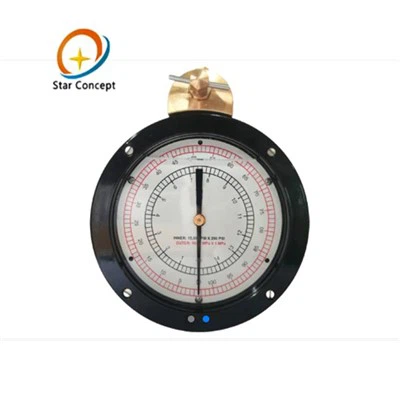
As a solid control system supplier, I understand that choosing the right desilter for your drilling operation is crucial. Here are some factors to consider when selecting a desilter:
- Flow Rate: The flow rate of the drilling fluid is one of the most important factors to consider when choosing a desilter. You need to select a desilter that can handle the flow rate of your drilling fluid system effectively.
- Particle Size Distribution: The particle size distribution of the fine solids in your drilling fluid will also affect the selection of a desilter. Different desilters are designed to remove particles of different sizes, so you need to choose a desilter that is capable of removing the specific size range of particles in your drilling fluid.
- Separation Efficiency: The separation efficiency of a desilter is a measure of how effectively it can remove fine solids from the drilling fluid. You should choose a desilter with a high separation efficiency to ensure optimal performance.
- Maintenance Requirements: Like any other equipment, a desilter requires regular maintenance to ensure its proper functioning. You should choose a desilter that is easy to maintain and has readily available spare parts.
Conclusion
Cementing Equipment In conclusion, a desilter is an essential component in a solid control system that plays a crucial role in removing fine solids from drilling fluid. By operating on the principle of hydrocyclone separation, a desilter effectively separates the fine solids from the drilling fluid, improving its performance, reducing equipment wear and tear, enhancing drilling efficiency, and ensuring environmental compliance. As a solid control system supplier, I’m committed to providing high-quality desilters and other solid control equipment to meet the specific needs of your drilling operation. If you’re in the market for a reliable desilter or have any questions about our solid control systems, I encourage you to get in touch with our team for a detailed discussion and to explore a potential procurement partnership. We look forward to assisting you in achieving optimal drilling performance and efficiency.
References
- Yellowley, D. P., & Bailey, R. C. (1985). Drilling Fluids Technology, PennWell Books.
- Bradley, D. (1965). The Hydrocyclone, Pergamon Press.
Dongying Star Concept Petroleum Equipment Co., Ltd.
We are one of the most professional solid control system manufacturers and suppliers in China. With abundant experience, we warmly welcome you to buy durable solid control system made in China here from our factory. Good service and quality products are available.
Address: No. 9 Xisi Road, Dongying City, Shandong Province, China
E-mail: ellen@starconcept.cn
WebSite: https://www.star-cementing.com/
