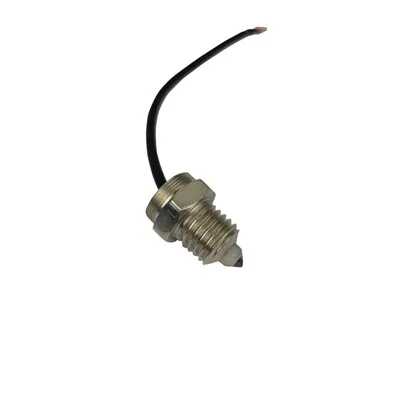
Hey there! I’m a supplier of capacitive liquid level sensors, and I’ve seen firsthand how these nifty devices can make a huge difference in various industries. But like any piece of equipment, they need proper maintenance to keep them running smoothly. In this blog, I’ll share some tips on how to maintain a capacitive liquid level sensor. Capacitive Liquid Level Sensor
Understanding Capacitive Liquid Level Sensors
Before we dive into maintenance, let’s quickly go over what capacitive liquid level sensors are and how they work. These sensors use the principle of capacitance to measure the level of liquid in a container. Capacitance is the ability of a system to store an electric charge. In a capacitive liquid level sensor, the liquid acts as one plate of a capacitor, and the sensor itself acts as the other plate. As the liquid level changes, the capacitance between the two plates also changes, and this change is measured and converted into a level reading.
Regular Cleaning
One of the most important aspects of maintaining a capacitive liquid level sensor is regular cleaning. Over time, dirt, debris, and other contaminants can build up on the sensor, which can affect its accuracy and performance. To clean the sensor, you’ll need to follow these steps:
- Turn off the power: Before you start cleaning the sensor, make sure to turn off the power to avoid any electrical hazards.
- Remove the sensor: Carefully remove the sensor from the container. Be sure to follow the manufacturer’s instructions for proper removal.
- Clean the sensor: Use a soft, damp cloth to gently clean the sensor. Avoid using abrasive materials or harsh chemicals, as these can damage the sensor.
- Dry the sensor: After cleaning, make sure to dry the sensor thoroughly before reinstalling it.
- Reinstall the sensor: Once the sensor is dry, carefully reinstall it in the container. Make sure to follow the manufacturer’s instructions for proper installation.
Calibration
Another important aspect of maintaining a capacitive liquid level sensor is calibration. Calibration is the process of adjusting the sensor to ensure that it is providing accurate readings. Over time, the sensor’s performance can drift, which can lead to inaccurate readings. To calibrate the sensor, you’ll need to follow these steps:
- Refer to the manufacturer’s instructions: The manufacturer’s instructions will provide detailed information on how to calibrate the sensor. Make sure to follow these instructions carefully.
- Use a calibration solution: Most capacitive liquid level sensors require a calibration solution to be used during the calibration process. The calibration solution is a liquid with a known level, which is used to adjust the sensor’s readings.
- Adjust the sensor: Once you have the calibration solution, you’ll need to adjust the sensor’s settings to match the known level of the solution. This may involve adjusting the sensor’s gain, offset, or other settings.
- Verify the calibration: After adjusting the sensor, you’ll need to verify the calibration by measuring the level of a liquid with a known level. If the sensor’s readings are accurate, then the calibration is complete.
Inspection
In addition to regular cleaning and calibration, it’s also important to inspect the sensor regularly for any signs of damage or wear. Here are some things to look for during an inspection:
- Physical damage: Check the sensor for any physical damage, such as cracks, dents, or scratches. If you notice any damage, the sensor may need to be replaced.
- Corrosion: Check the sensor for any signs of corrosion, such as rust or discoloration. Corrosion can affect the sensor’s performance and may need to be addressed.
- Loose connections: Check the sensor’s connections to make sure they are tight and secure. Loose connections can cause the sensor to malfunction.
- Electrical interference: Check the sensor for any signs of electrical interference, such as noise or signal loss. Electrical interference can affect the sensor’s accuracy and may need to be addressed.
Environmental Considerations
The environment in which the capacitive liquid level sensor is installed can also have an impact on its performance and longevity. Here are some environmental considerations to keep in mind:
- Temperature: Capacitive liquid level sensors are sensitive to temperature changes. Make sure to install the sensor in an environment where the temperature is stable and within the sensor’s operating range.
- Humidity: High humidity can cause condensation to form on the sensor, which can affect its performance. Make sure to install the sensor in an environment where the humidity is low.
- Chemical exposure: Capacitive liquid level sensors can be damaged by exposure to certain chemicals. Make sure to install the sensor in an environment where it is not exposed to chemicals that can damage it.
- Vibration: Vibration can cause the sensor to malfunction. Make sure to install the sensor in an environment where it is not exposed to excessive vibration.
Troubleshooting
Even with proper maintenance, capacitive liquid level sensors can sometimes experience problems. Here are some common problems and their solutions:
- Inaccurate readings: If the sensor is providing inaccurate readings, it may need to be calibrated. Make sure to follow the manufacturer’s instructions for calibration.
- No readings: If the sensor is not providing any readings, it may be damaged or malfunctioning. Check the sensor for any signs of damage or wear, and make sure the connections are tight and secure.
- Signal loss: If the sensor is experiencing signal loss, it may be due to electrical interference. Check the sensor for any signs of electrical interference, and make sure the sensor is installed in an environment where it is not exposed to electrical interference.
- Sensor failure: If the sensor has failed, it may need to be replaced. Contact the manufacturer for a replacement sensor.
Conclusion
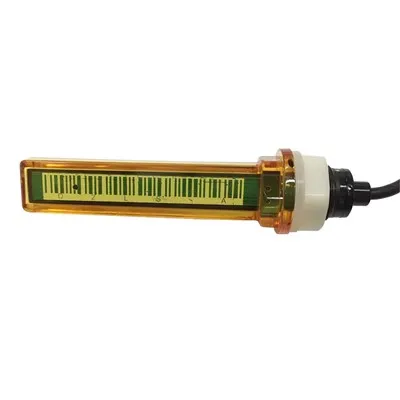
Maintaining a capacitive liquid level sensor is essential to ensure its accuracy and performance. By following the tips outlined in this blog, you can keep your sensor in good working condition and avoid costly downtime. If you have any questions or need further assistance with maintaining your capacitive liquid level sensor, don’t hesitate to contact me. I’m here to help you get the most out of your sensor.
Level Sensor If you’re in the market for a capacitive liquid level sensor or need to replace an existing one, I’d love to chat with you. Our sensors are high-quality, reliable, and offer excellent performance. Contact me to discuss your specific requirements and let’s find the perfect solution for your needs.
References
- Manufacturer’s instructions for the capacitive liquid level sensor
- Technical literature on capacitive liquid level sensors
- Industry standards and best practices for sensor maintenance
Shenzhen Fineherc Technology Co., Ltd.
As one of the most experienced capacitive liquid level sensor suppliers in China, we’re featured by quality products and low price. Please feel free to buy discount capacitive liquid level sensor made in China here from our factory. Welcome to view our website for more information.
Address: 5th Floor, Building D, No. 39, Keji East Road, Torch Development Zone, Zhongshan City,China
E-mail: fineherc@hotmail.com
WebSite: https://www.fineherc.com/
