Medical bandages and wound dressings are two essential components in the field of wound care, each with its own unique functions and characteristics. As a medical bandages supplier, I have witnessed firsthand the importance of understanding how these two products interact to provide the best possible care for patients. In this blog post, I will delve into the intricate relationship between medical bandages and wound dressings, exploring how they work together to promote healing, prevent infection, and ensure patient comfort. Medical Bandages
The Basics of Medical Bandages and Wound Dressings
Before we discuss their interaction, let’s first clarify what medical bandages and wound dressings are.
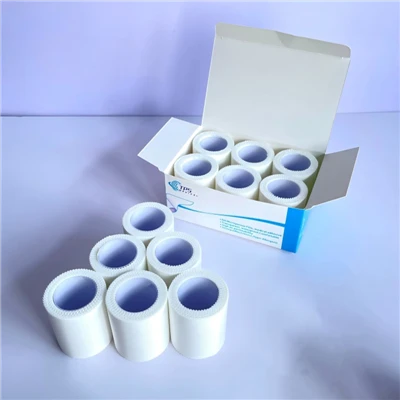
Medical bandages are materials used to wrap around a part of the body to provide support, compression, or protection. They come in various forms, such as gauze bandages, elastic bandages, and adhesive bandages. Bandages are typically made from materials like cotton, polyester, or a combination of both, and they can be used for a wide range of applications, from minor cuts and bruises to more serious injuries.
Wound dressings, on the other hand, are products specifically designed to be placed directly on a wound to promote healing. They can be made from a variety of materials, including hydrogels, foams, films, and alginates. Wound dressings are used to create a moist environment for the wound, absorb exudate (fluid from the wound), and protect the wound from external contaminants.
Complementary Functions of Medical Bandages and Wound Dressings
One of the primary ways medical bandages and wound dressings interact is through their complementary functions. Wound dressings are responsible for the direct care of the wound, while bandages provide additional support and protection.
Protection
Wound dressings act as a physical barrier between the wound and the external environment, preventing bacteria and other contaminants from entering the wound. However, they may not always be sufficient to protect the wound from mechanical damage, such as friction or pressure. This is where medical bandages come in. Bandages can be wrapped around the wound dressing to provide an extra layer of protection, reducing the risk of the dressing being dislodged or damaged.
Compression
In some cases, compression is necessary to control bleeding, reduce swelling, or support the healing process. Wound dressings alone may not be able to provide the required compression. Medical bandages, especially elastic bandages, can be used to apply pressure to the wound area. By wrapping the bandage tightly around the wound dressing, it helps to constrict blood vessels, reduce blood flow, and minimize swelling.
Support
For wounds located on joints or areas that are subject to movement, support is crucial to prevent further damage and promote healing. Wound dressings do not provide much support on their own. Bandages can be used to immobilize the affected area, reducing movement and allowing the wound to heal more effectively. For example, a gauze bandage can be wrapped around a sprained ankle to provide support and stability.
Interaction in Different Wound Types
The interaction between medical bandages and wound dressings can vary depending on the type of wound.
Acute Wounds
Acute wounds, such as cuts, abrasions, and burns, typically require a moist environment to heal. Wound dressings like hydrogels or films are often used to create this moist environment. Once the dressing is applied, a medical bandage can be used to secure the dressing in place and provide protection. For minor cuts, an adhesive bandage may be sufficient to hold the dressing and protect the wound. For larger wounds, a gauze bandage or an elastic bandage can be used to provide more support and coverage.
Chronic Wounds
Chronic wounds, such as pressure ulcers, diabetic foot ulcers, and venous leg ulcers, often produce a large amount of exudate. Wound dressings with high absorbency, such as alginates or foams, are commonly used to manage the exudate. Medical bandages can be used to provide compression and support to these wounds. Compression bandages can help improve blood circulation in the affected area, which is essential for the healing of chronic wounds. Additionally, bandages can help keep the wound dressing in place, preventing it from shifting and ensuring continuous contact with the wound.
Considerations for Choosing the Right Combination
When choosing a medical bandage and wound dressing combination, several factors need to be considered.
Wound Characteristics
The type, size, depth, and location of the wound are important factors in determining the appropriate dressing and bandage. For example, a deep wound with a lot of exudate may require a highly absorbent dressing and a compression bandage, while a superficial wound may only need a simple dressing and an adhesive bandage.
Patient Comfort
Patient comfort is also crucial. The dressing and bandage should not cause any discomfort, irritation, or allergic reactions. Materials with good breathability, such as cotton-based bandages, can help prevent skin maceration and improve patient comfort.
Ease of Use
The combination should be easy to apply and remove. This is especially important for patients who need to change their dressings frequently. Adhesive bandages with a gentle adhesive can be easily removed without causing pain or damage to the skin.
Cost
Cost is another consideration, especially for long-term wound care. Healthcare providers and patients need to balance the effectiveness of the dressing and bandage with the cost.
The Role of a Medical Bandages Supplier
As a medical bandages supplier, I play a crucial role in ensuring that healthcare providers and patients have access to high-quality products. I work closely with manufacturers to source the best materials and products. I also provide education and support to my customers, helping them choose the right bandages and understand how they interact with wound dressings.
I offer a wide range of medical bandages, including gauze bandages, elastic bandages, and adhesive bandages, to meet the diverse needs of different wounds. My products are made from high-quality materials that are safe, effective, and comfortable for patients.
Conclusion
The interaction between medical bandages and wound dressings is a critical aspect of wound care. By understanding how these two products work together, healthcare providers can provide the best possible treatment for their patients. As a medical bandages supplier, I am committed to providing high-quality products and supporting healthcare professionals in their efforts to promote wound healing.
First Aid Kits If you are interested in learning more about our medical bandages or discussing your specific wound care needs, please feel free to contact us for a procurement discussion. We are here to help you find the best solutions for your patients.
References
- Baranoski S, Ayello EA. Wound Care Essentials: Practice Principles. 3rd ed. Lippincott Williams & Wilkins; 2012.
- National Pressure Ulcer Advisory Panel, European Pressure Ulcer Advisory Panel, Pan Pacific Pressure Injury Alliance. Prevention and Treatment of Pressure Ulcers: Clinical Practice Guideline. Cambridge Media; 2014.
- Sibbald RG, Orsted HL, Romanelli M, et al. Evidence-based guidelines for the selection and use of wound dressings: update. Adv Skin Wound Care. 2017;30(10):445 – 461.
Hangzhou Tuopusi Medical Products Co., Ltd.
As one of the most professional medical bandages manufacturers and suppliers in China, we offer a wide range of products with superior quality. Please feel free to wholesale bulk customized medical bandages at competitive price from our factory. Also, free sample is available.
Address:
E-mail: sales@tpsmedic.com
WebSite: https://www.medressing.com/
