If you’ve ever worked with industrial fluids, chemical storage, or even upcycled metal barrels for DIY projects, you know that drilling a clean, leak-proof hole is make-or-break. As a metal barrel supplier with 12 years in the business, I’ve seen hundreds of botched hole jobs—from jagged edges that tear gaskets to splintered walls that leak for months. Today, I’m sharing the step-by-step process I teach every team member and customer who buys our barrels, because a little know-up front saves everyone time, money, and headaches. Metal Barrel
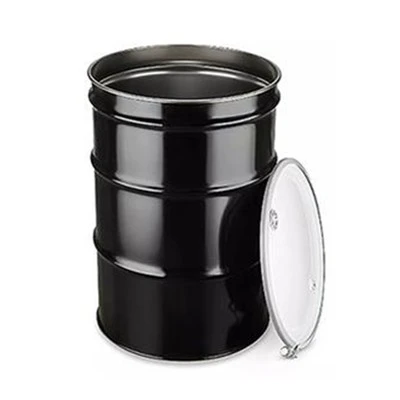
First, let’s talk about why this matters. Our metal barrels are built for durability: 16-gauge carbon steel or food-grade stainless steel, designed to hold up to 55 gallons of oil, cleaners, or even wine for years. Drilling into them wrong isn’t just messy—it can weaken the barrel’s structural integrity, leading to spills that are dangerous and costly. I’ve had customers call me in a panic after they drilled a hole with a cheap bit, only for the side of the barrel to bend and leak when they poured in their product. Let’s avoid that.
First step: Gather the right tools. This isn’t the same as drilling a hole in wood or plastic. You can’t use a regular twist bit from your home toolbox—metal is dense, and it will dull or snap a cheap bit instantly. For standard carbon steel barrels, you’ll need a cobalt drill bit (look for M35 or M42 grade—those are the ones that stay sharp through thick steel). For stainless steel barrels, skip the cobalt and go for a carbide-tipped bit; it’s the only one that won’t chew through soft stainless without leaving a mess.
Next, you’ll need a steady hand and a way to keep the barrel from moving. I always tell customers to either clamp the barrel to a workbench or set it in a sturdy stand—metal barrels are heavy, and they’ll roll or slip mid-drill if you don’t secure them. Mark your hole clearly with a center punch and a hammer. Don’t use a pen or marker—oil, dust, or debris will wipe it off, and you’ll drill the wrong spot. Tap the center punch lightly to make a small indent; this is your drill’s guide, so it won’t slip as soon as you press the drill to the metal.
Now, the most important part for clean holes: speed and pressure. Most people make the mistake of cranking their drill to full speed and pushing hard— that’s a one-way ticket to a bent bit and a jagged hole. For steel barrels, use a low drill speed (between 500 and 800 RPM) and light, consistent pressure. Let the bit do the work. If your drill has a variable speed setting, start at 200 RPM to punch through the first layer of metal, then bump up to 500 as the bit gets fully seated. For stainless steel, go even slower—around 300 RPM—and use a metal cutting lubricant. I keep a spray bottle of light machine oil in my supply closet for this; spray a little on the bit and the mark before drilling. It reduces friction, keeps the bit cool, and prevents burning the metal. Burning leaves a rough, uneven edge that won’t seal properly—trust me, I’ve wasted more than a barrel of lubricant on burnt holes.
Once you’ve drilled all the way through, stop. Don’t try to push the bit through the other side; that will bend the edge of the hole and create burrs. Burrs are tiny metal shavies that stick up around the hole, and they can tear gaskets, leak, or even cut you when you’re installing a valve or spigot. Use a deburring tool (a small, rounded blade made for metal) or a metal file to smooth both sides of the hole. Run the deburring tool around the inside edge first, then the outside, until the edge is smooth to the touch. I always test this with my thumb—if it catches at all, it needs more smoothing.
Now, if you’re installing a valve or spigot, the next step is to tap the hole. Wait—tap, not just screw the spigot in. Tapping creates threads inside the metal hole that grip the spigot, creating a tight, leak-proof seal. If you skip tapping, the spigot will loosen over time, even if you tighten it as hard as you can. For ½-inch or ¾-inch holes (the most common size for spigots), you’ll need a tap and tap wrench for the corresponding size. Make sure the tap is made for metal—plastic taps won’t work. Apply a little more lubricant to the tap, and turn it slowly, turning a quarter turn forward and a quarter turn back as you go. This breaks up the metal shavies so they don’t get stuck in the threads. When you feel the tap turn smoothly all the way through, reverse it to remove the tap, then clean the hole with a rag to wipe away shavies.
Wait a second—what if you’re drilling a hole in a used barrel, one that’s already held chemicals or oil? That’s a whole different ballgame. I always advise customers to clean used barrels thoroughly before drilling, even if they seem empty. Residual chemicals or fumes can be toxic, especially when heated by the friction of drilling. Start by venting the barrel: open the bung (the plastic or metal plug at the top) and leave it outside for at least 24 hours to let fumes escape. Then, fill the barrel with a mix of warm water and dish soap, seal it, and roll it around to clean the inside. Dump the soapy water, rinse with clean water, and let it dry completely for another 24 hours. Residual moisture can cause the metal to rust around the hole, which will lead to leaks. I once had a customer drill a hole in a used barrel that held motor oil, and he didn’t vent it first—he got a face full of oil fumes that made him sick. Don’t cut corners here.
Another common mistake: drilling too close to the bung or the bottom of the barrel. The top of the barrel is reinforced with metal rings (called chime rings) for stacking, so drilling there can crack the ring and weaken the barrel. The bottom is also reinforced, so the best spot for a hole is the side of the barrel, midway between the top and bottom chime rings. Measure twice, drill once—my dad, who started this barrel supply business back in 2011, used to bang on the side of the barrel and listen for the hollow part to make sure he was drilling in the right spot. If it sounds solid, move a few inches over; that’s the reinforced ring.
Now, what about if you’re drilling a larger hole, like a 2-inch hole for a pump or a larger spigot? The same rules apply, but you’ll need to use a hole saw instead of a standard drill bit. Hole saws for metal work great, but again, stick to cobalt or carbide-tipped ones. Start with a small pilot bit to keep the hole saw from slipping, then proceed at low speed with lubricant. Deburr carefully—larger holes mean more burrs, which are more likely to cause leaks.
After all that, test your hole. Fill the barrel with water or your product, let it sit for an hour, and check for leaks around the hole. If you see water seeping out, it’s probably from a small burr you missed or threads that weren’t tapped evenly. You can re-tap the hole and add a little Teflon tape to the spigot threads for extra sealing, or use a metal epoxy to seal the edge of the hole if it’s a small leak.
I’ve been doing this for long enough that I can spot a bad hole job before I even see the barrel. Last year, a customer brought a barrel to our shop that he’d drilled a hole in, and the edge was so jagged that the spigot wouldn’t stay on. He’d used a $5 twist bit from a hardware store, drilled at full speed, and skipped deburring. I fixed it for him, and he ended up ordering 50 more barrels from us because he trusted that I knew what I was doing. That’s the thing about metal barrels—they’re not just a container. They’re a workhorse, used for everything from industrial manufacturing to backyard beekeeping, from wine fermentation to rainwater collection. A good hole job is what makes them work for whatever you need.
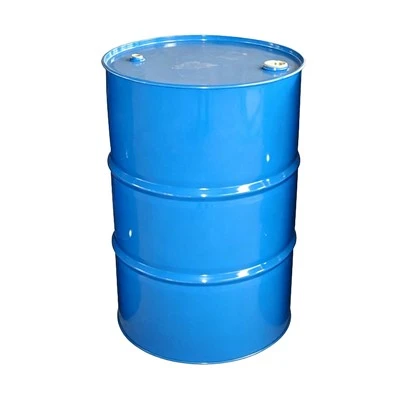
If you’re in the market for quality metal barrels—new, used, food-grade, or industrial grade—I’m here to help. We supply barrels to small businesses, farms, manufacturers, and DIYers all over the country, and we’re happy to answer any questions you have about drilling, modifying, or using our barrels. Whether you need a single barrel for a project or a bulk order for your business, we’ve got the stock and the expertise to make sure you get exactly what you need. Reach out to our team to talk through your requirements, and we’ll guide you every step of the way.
Steel Barrel References
- Metalworking Drill Bit Selection Guide, American Iron and Steel Institute, 2022.
- Proper Deburring Techniques for Steel Barrels, National Association of Steel Container Manufacturers, 2021.
- Safe Modification of Used Industrial Containers, Occupational Safety and Health Administration (OSHA), 2020.
- Tapping and Threading Guidelines for Carbon Steel, Machinist’s Handbook, 2019 Edition.
Anhui Lining Packaging Container Co., Ltd.
We are one of the most professional metal barrel manufacturers and suppliers in China, also support customized service. Please rest assured to wholesale bulk high quality metal barrel in stock here from our factory. If you have any enquiry about quotation, please feel free to email us.
Address: Maodikou Village, Dangshan County, Anhui Province
E-mail: In13905677285@126.com
WebSite: https://www.liningpack.com/
