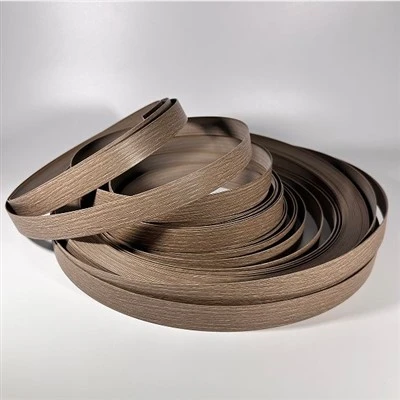
Edge banding is a crucial component in the furniture manufacturing industry, used to cover the exposed edges of panels, enhancing both the aesthetic appeal and durability of the furniture. As a leading edge banding supplier, I am acutely aware of the importance of understanding the environmental impacts associated with its production. In this blog, I will delve into the various environmental aspects of edge banding production, exploring both the positive and negative impacts, and discuss potential strategies for minimizing the negative effects. Edge Banding
1. Raw Materials and Their Sourcing
The primary raw materials used in edge banding production include PVC (Polyvinyl Chloride), ABS (Acrylonitrile Butadiene Styrene), wood veneer, and melamine. Each of these materials has its own environmental footprint.
PVC
PVC is one of the most commonly used materials for edge banding due to its affordability, durability, and wide range of colors and patterns. However, PVC production is associated with several environmental concerns. The manufacturing process of PVC involves the use of chlorine, which is derived from the electrolysis of salt. This process consumes a significant amount of energy and can release toxic chemicals such as dioxins and vinyl chloride monomers (VCM) into the environment. Dioxins are highly persistent organic pollutants that can accumulate in the food chain and have been linked to various health problems, including cancer, reproductive disorders, and immune system damage. VCM is a known human carcinogen and can cause liver damage, nervous system problems, and other health issues.
To mitigate these environmental impacts, many PVC edge banding manufacturers are adopting more sustainable production practices. For example, some manufacturers are using alternative production methods that reduce the use of chlorine and energy consumption. Additionally, the industry is working towards improving the recycling rates of PVC edge banding to reduce the amount of waste sent to landfills.
ABS
ABS is another popular material for edge banding, known for its high impact resistance and excellent surface finish. The production of ABS involves the polymerization of acrylonitrile, butadiene, and styrene. Similar to PVC, the production of these monomers requires energy and can result in the release of pollutants into the environment. Acrylonitrile is a toxic substance that can cause respiratory problems, skin irritation, and cancer. Styrene is also a suspected carcinogen and can cause headaches, dizziness, and fatigue.
To address these environmental concerns, some ABS edge banding manufacturers are exploring the use of bio-based alternatives to traditional petroleum-based monomers. Bio-based ABS can be derived from renewable resources such as plant oils and starches, reducing the reliance on fossil fuels and lowering the carbon footprint of the production process.
Wood Veneer
Wood veneer is a natural and aesthetically pleasing material used in edge banding. The use of wood veneer can contribute to sustainable forestry practices if the wood is sourced from responsibly managed forests. However, deforestation and illegal logging remain significant issues in the global forestry industry. When wood is harvested from unsustainable sources, it can lead to habitat loss, soil erosion, and biodiversity decline.
To ensure the sustainability of wood veneer edge banding, it is important to source wood from certified forests. Forest certification programs, such as the Forest Stewardship Council (FSC) and the Programme for the Endorsement of Forest Certification (PEFC), provide standards and guidelines for sustainable forest management. By using FSC or PEFC-certified wood veneer, edge banding suppliers can demonstrate their commitment to environmental responsibility.
Melamine
Melamine is a thermosetting plastic commonly used in edge banding due to its high resistance to heat, scratches, and chemicals. The production of melamine involves the reaction of urea and formaldehyde, which can release formaldehyde gas into the environment. Formaldehyde is a known human carcinogen and can cause respiratory problems, eye irritation, and allergic reactions.
To reduce the formaldehyde emissions from melamine edge banding, many manufacturers are using low-formaldehyde or formaldehyde-free resins. These resins are designed to meet strict environmental standards and can significantly reduce the health risks associated with formaldehyde exposure.
2. Energy Consumption in Production
The production of edge banding requires energy for various processes, including raw material extraction, manufacturing, and transportation. Energy consumption is a significant contributor to greenhouse gas emissions and climate change.
In the manufacturing process, energy is used for heating, cooling, mixing, and shaping the raw materials. The type of energy source used can have a significant impact on the environmental footprint of edge banding production. For example, using fossil fuels such as coal, oil, and natural gas for energy generation can result in high levels of carbon dioxide emissions. On the other hand, using renewable energy sources such as solar, wind, and hydroelectric power can significantly reduce the carbon footprint of production.
To reduce energy consumption and greenhouse gas emissions, edge banding manufacturers are implementing energy-efficient technologies and practices. For example, some manufacturers are using advanced heating and cooling systems that can reduce energy consumption by up to 30%. Additionally, many manufacturers are investing in renewable energy sources to power their production facilities.
3. Waste Generation and Management
Edge banding production generates various types of waste, including scrap materials, packaging waste, and wastewater. Proper waste management is essential to minimize the environmental impact of these waste streams.
Scrap materials generated during the production process can be recycled or reused. For example, PVC and ABS scrap can be recycled into new edge banding products or other plastic items. Wood veneer scrap can be used as fuel or converted into wood chips for other applications. By recycling and reusing scrap materials, edge banding manufacturers can reduce the amount of waste sent to landfills and conserve natural resources.
Packaging waste is another significant waste stream associated with edge banding production. To reduce packaging waste, many manufacturers are using recyclable or biodegradable packaging materials. Additionally, some manufacturers are implementing packaging reduction strategies, such as using smaller packaging sizes or eliminating unnecessary packaging components.
Wastewater generated during the production process can contain various pollutants, such as chemicals, heavy metals, and organic matter. To prevent water pollution, edge banding manufacturers are required to treat their wastewater before discharging it into the environment. Many manufacturers are using advanced wastewater treatment technologies, such as reverse osmosis and activated sludge treatment, to remove pollutants from the wastewater and ensure compliance with environmental regulations.
4. Positive Environmental Impacts
Despite the environmental challenges associated with edge banding production, there are also some positive environmental impacts.
Furniture Longevity
Edge banding can significantly enhance the durability and longevity of furniture. By covering the exposed edges of panels, edge banding protects the furniture from moisture, scratches, and wear and tear, extending its lifespan. This reduces the need for frequent replacement of furniture, which in turn reduces the demand for raw materials and energy consumption associated with furniture production.
Recycling and Reuse
As mentioned earlier, many edge banding materials can be recycled or reused. Recycling and reusing edge banding products can conserve natural resources, reduce energy consumption, and minimize the amount of waste sent to landfills. Additionally, some edge banding manufacturers are developing innovative recycling technologies to improve the efficiency and effectiveness of the recycling process.
5. Strategies for Minimizing Environmental Impacts
To minimize the environmental impacts of edge banding production, edge banding suppliers can adopt the following strategies:
Sustainable Sourcing
Source raw materials from sustainable sources, such as FSC or PEFC-certified forests and suppliers that use environmentally friendly production processes. This can help reduce the environmental footprint of raw material extraction and ensure the long-term availability of natural resources.
Energy Efficiency
Implement energy-efficient technologies and practices in the production process, such as using advanced heating and cooling systems, optimizing production schedules to reduce energy consumption, and investing in renewable energy sources. This can help reduce greenhouse gas emissions and lower the operating costs of the production facility.
Waste Reduction and Recycling
Develop waste reduction and recycling programs to minimize the amount of waste generated during the production process. This can include recycling scrap materials, using recyclable or biodegradable packaging materials, and implementing wastewater treatment technologies to prevent water pollution.
Product Innovation
Invest in research and development to develop new and innovative edge banding products that are more environmentally friendly. This can include using bio-based materials, reducing the use of toxic chemicals, and improving the recyclability of the products.
6. Conclusion

As an edge banding supplier, I understand the importance of balancing economic development with environmental protection. While edge banding production has some environmental impacts, there are also many opportunities to minimize these impacts through sustainable sourcing, energy efficiency, waste reduction, and product innovation. By adopting these strategies, we can not only reduce the environmental footprint of our production processes but also meet the growing demand for sustainable products from our customers.
Home Furniture Edge Banding If you are interested in learning more about our sustainable edge banding products or would like to discuss a potential procurement opportunity, please feel free to contact us. We are committed to providing high-quality, environmentally friendly edge banding solutions that meet your needs.
References
- American Chemistry Council. "PVC: A Versatile and Sustainable Material."
- Forest Stewardship Council. "What is FSC Certification?"
- Programme for the Endorsement of Forest Certification. "PEFC Certification."
- United Nations Environment Programme. "Sustainable Consumption and Production."
Linyi Meador New Materials Co., Ltd.
As one of the most experienced edge banding manufacturers and suppliers in China, we offer a wide range of products with superior quality. We warmly welcome you to buy bulk premium edge banding from our factory. Good service and punctual delivery are available.
Address: Meidu New Materials, No. 66 Zhenxing Road, Tanyi Town, Feixian County, Linyi City, Shandong Province
E-mail: meador@zohomail.cn
WebSite: https://www.meadorfactory.com/
