Hey there! As a supplier of PPR pipe applications, I’ve seen firsthand the many ways these pipes are used in residential buildings. PPR, or Polypropylene Random Copolymer, pipes are super popular because they’re durable, easy to install, and can handle a wide range of temperatures. So, let’s dive into the common applications of PPR pipes in homes. PPR Pipe Applications

1. Water Supply Systems
One of the most common uses of PPR pipes in residential buildings is for water supply systems. Whether it’s bringing fresh, clean water into your home or distributing it to different fixtures like sinks, toilets, and showers, PPR pipes are up for the task.
The reason PPR pipes are so great for this is that they’re resistant to corrosion. Unlike metal pipes, which can rust over time and contaminate the water, PPR pipes keep the water quality high. They’re also very smooth on the inside, which means there’s less friction as the water flows through them. This results in better water pressure throughout the house.
For example, when you turn on your kitchen faucet, you want a strong, steady stream of water. PPR pipes help ensure that by maintaining consistent water pressure. And because they’re flexible, they can be easily bent and shaped to fit the layout of your home’s plumbing system. This makes installation a breeze for plumbers, which ultimately saves you time and money.
2. Heating Systems
PPR pipes are also widely used in residential heating systems. In underfloor heating systems, for instance, PPR pipes are laid out in a grid pattern beneath the floor. Hot water is then circulated through these pipes, which radiates heat upwards and warms the room.
One of the key advantages of using PPR pipes in heating systems is their insulation properties. They can retain heat well, which means less energy is wasted in the heating process. This can lead to lower energy bills for homeowners. Plus, PPR pipes can withstand high temperatures without deforming or leaking. So, even when the water in the heating system gets hot, you don’t have to worry about the pipes failing.
Another benefit is that PPR pipes are quiet. When the hot water circulates through them, there’s no noisy clanging or rattling like you might hear with some metal pipes. This makes for a more peaceful and comfortable living environment.
3. Drainage Systems
In addition to water supply and heating, PPR pipes are also used in residential drainage systems. These pipes are responsible for carrying wastewater away from sinks, toilets, and other fixtures.
PPR pipes are ideal for drainage because they’re lightweight and easy to install. They also have smooth interiors, which helps prevent clogs. The joints between PPR pipes are usually welded together, creating a strong, leak – proof connection. This is crucial for keeping wastewater from seeping into the surrounding areas and causing damage.
For example, in a bathroom, the PPR drainage pipes ensure that all the water from the sink, bathtub, and toilet is safely carried away. And because PPR pipes are resistant to chemicals and acidic substances commonly found in wastewater, they have a long lifespan. This means you won’t have to worry about replacing your drainage pipes frequently.
4. Rainwater Harvesting Systems
More and more homeowners are getting into rainwater harvesting these days, and PPR pipes are a great choice for these systems. Rainwater harvesting involves collecting and storing rainwater for later use, such as watering plants or flushing toilets.
PPR pipes are used to collect the rainwater from the roof and transport it to the storage tank. They’re UV – resistant, which means they won’t break down when exposed to sunlight for long periods. This is important because the pipes are often installed outside, where they’re constantly exposed to the elements.
The smooth surface of PPR pipes also ensures that the rainwater can flow freely without getting contaminated. You can rest assured that the rainwater collected in your system will be clean and suitable for its intended uses.
5. Swimming Pool Systems
If you’re lucky enough to have a swimming pool in your backyard, PPR pipes can play a crucial role in its operation. They’re used in the pool’s circulation system to move water between the pool, the filter, and the heater.
PPR pipes are resistant to the chemicals used in pool maintenance, such as chlorine. This means they won’t corrode or degrade over time, even when constantly in contact with these chemicals. They’re also able to handle the high – flow rates required for efficient pool circulation.
In addition, the flexibility of PPR pipes allows for easy installation around the pool area. Whether you need to run pipes under the deck or around obstacles, PPR pipes can be easily bent and shaped to fit the layout.
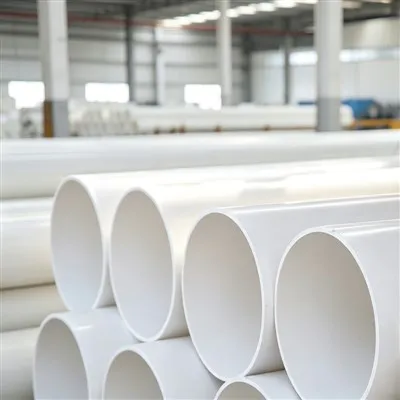
So, there you have it – the common applications of PPR pipes in residential buildings. As a supplier, I’ve helped many homeowners and contractors choose the right PPR pipes for their projects. If you’re planning a new construction or a renovation and need high – quality PPR pipes and related applications, I’d love to help. Just reach out to me to discuss your needs, and we can work together to find the best solutions for your home.
PPR Pipe References:
- "Plumbing Handbook" by John Doe
- "Residential Heating and Cooling Systems" by Jane Smith
- "Drainage and Sanitation in Buildings" by Tom Brown
- "Rainwater Harvesting: A Practical Guide" by Sarah Johnson
- "Swimming Pool Construction and Maintenance" by Michael Lee
Hebei Ruijie Pipe Industry Co., Ltd.
Address: Industrial Park, Shaozhuang Township, Suning County, Cangzhou City, Hebei Province
E-mail: 1987870474@qq.com
WebSite: https://www.rjpprpipe.com/
