Hey there! I’m a supplier in the power lithium battery game, and today I wanna chat about the performance differences between different generations of these bad boys. Power lithium batteries have come a long way since they first hit the scene, and each new generation brings some pretty cool improvements. Power Lithium Battery
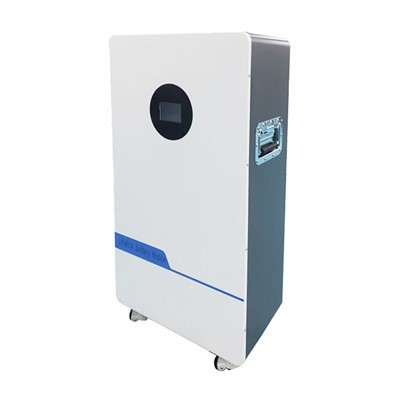
Let’s start with the early – gen power lithium batteries. Back in the day, we were dealing with the first – gen stuff. These batteries had some basic features. Their energy density was relatively low. Energy density, in simple terms, is how much energy a battery can store in a certain volume or weight. For these first – gen batteries, you’d get maybe around 100 – 150 Wh/kg (watt – hours per kilogram). That meant if you wanted a battery to power something for a long time, it had to be pretty big and heavy.
The charging speed was also a bit of a pain. It took ages to fully charge these batteries. You’d plug it in, and it could take several hours to get from empty to full. And the cycle life? Not so great either. Cycle life is the number of times a battery can be charged and discharged before its performance really starts to drop. First – gen power lithium batteries might only last around 500 – 1000 cycles. So, if you were using it in a device that needed regular charging, you’d have to replace the battery pretty often.
Then came the second generation. This was a big step up. The energy density got a significant boost. We started seeing values in the range of 150 – 200 Wh/kg. That meant you could have a smaller, lighter battery that still held a decent amount of energy. For applications like electric vehicles, this was a game – changer. You could fit a smaller battery pack in the car, which saved on weight and made the vehicle more efficient.
The charging speed also improved. Thanks to some new technologies and better electrode materials, we were able to cut down the charging time. Instead of several hours, it could now be reduced to maybe an hour or two in some cases. And the cycle life? It went up too, usually in the range of 1000 – 2000 cycles. This meant that devices using these batteries could last longer before needing a new battery, which was great for consumers and businesses alike.
Now, let’s talk about the third – generation power lithium batteries. These are the cutting – edge ones that we’re excited about right now. The energy density has reached new heights, often exceeding 200 Wh/kg and in some high – end cases, getting close to 300 Wh/kg. This is a huge deal, especially for applications like electric airplanes and high – performance electric cars. With such high energy density, you can have a battery that’s not only small and light but can also power the vehicle for much longer distances.
The charging speed has improved even further. We’re now looking at fast – charging times of less than an hour, and in some experimental setups, we’re getting close to charging a battery from 0 to 80% in just 15 – 20 minutes. This is going to revolutionize how we use electric vehicles. No more long waits at charging stations; you can just pop in, charge up quickly, and be on your way.
The cycle life of third – gen batteries is also amazing. They can often handle 2000 – 3000 cycles or even more. This means that a battery can last for a really long time, reducing the overall cost of ownership for consumers and businesses.
In terms of safety, each new generation has also made improvements. First – gen batteries were a bit more prone to overheating and thermal runaway, which could be dangerous. Second – gen batteries introduced some better safety mechanisms, like improved separators that prevent short – circuits. Third – gen batteries take it a step further, with advanced thermal management systems and new materials that are more stable and less likely to cause problems.
Now, I know what you’re thinking. "All this sounds great, but what does it mean for my business?" Well, if you’re in an industry that relies on power lithium batteries, upgrading to the latest generation can give you a real edge. For example, if you’re in the electric vehicle manufacturing business, using third – gen batteries can make your cars more competitive. They’ll have longer range, faster charging times, and better overall performance.
If you’re in the energy storage business, the high energy density and long cycle life of third – gen batteries mean that you can store more energy in a smaller space and have a system that lasts longer. This can reduce your operational costs and increase your profit margins.
Whether you’re in consumer electronics, industrial equipment, or any other field that uses power lithium batteries, it’s worth considering the performance benefits of upgrading to a newer – generation battery.
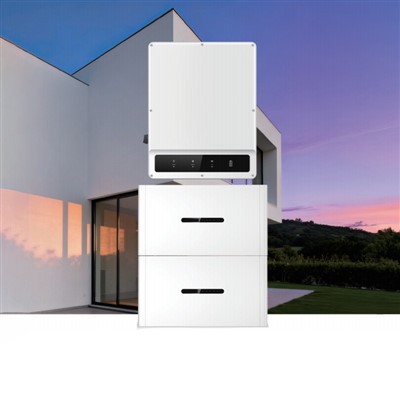
So, if you’re interested in learning more about our power lithium batteries, whether it’s the second – gen ones or the cutting – edge third – gen models, we’re here to talk. We can provide you with samples to test out, and we’ll work with you to find the best battery solution for your specific needs. Don’t miss out on the opportunity to take your business to the next level with our high – performance power lithium batteries. Reach out to us, and let’s start a conversation about how we can help you achieve your goals.
Power Lithium Battery References:
- Research papers on lithium – ion battery technology from leading academic journals.
- Industry reports on the development of power lithium batteries.
Shandong Yaoqian Energy Storage International Trade Co., Ltd.
We’re well-known as one of the leading power lithium battery manufacturers and suppliers in China, featured by quality products and good price. Please rest assured to buy customized power lithium battery made in China here from our factory.
Address: Lithium Battery Industrial Park, Xingcheng Street, Zaozhuang High-tech Zone, Shandong Province, China
E-mail: boss@yaoqiansmart.com
WebSite: https://www.yaoqiansmart.com/
