Hey there! As a rubber plugs supplier, I often get asked about the sound insulation performance of our products. It’s a crucial factor, especially for those in industries where noise reduction is a big deal. So, let’s dive into what makes rubber plugs good at keeping the noise out. Rubber Plugs
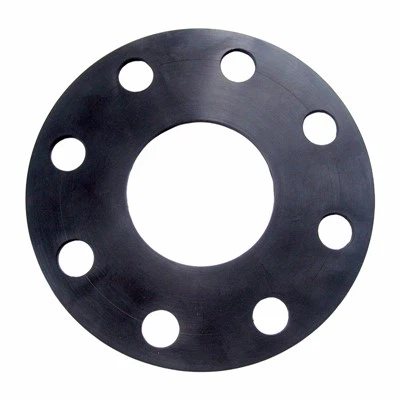
How Rubber Plugs Work for Sound Insulation
First off, you gotta understand how sound travels. Sound is basically vibrations in the air, and when these vibrations hit a surface, they can either be absorbed, reflected, or transmitted through it. Rubber plugs are great at changing this process.
Rubber is a dense, flexible material. When sound waves hit a rubber plug, a good chunk of the energy from those waves gets converted into heat energy right inside the rubber. This is because the rubber molecules start to vibrate with the sound waves, and this internal friction turns the sound energy into heat. So, instead of the sound waves going through the plug and into the other side, they lose a lot of their oomph.
Another thing about rubber is its ability to block sound. Its density makes it hard for sound waves to pass through easily. It acts like a sort of barrier, and the more solid and thick the rubber plug is, the better it is at stopping the sound.
Different Factors Affecting Sound Insulation
Now, not all rubber plugs are created equal when it comes to sound insulation. There are a few factors that play a role here.
Material Type
The type of rubber used matters a whole lot. We’ve got different kinds, like natural rubber, synthetic rubber (like neoprene or silicone), and each has its own properties. For example, neoprene is known for its durability and resistance to various chemicals. It also has good sound – deadening qualities. Silicone, on the other hand, is more flexible and can work well in high – temperature environments. It’s also decent at sound insulation, especially when it’s made into a thick plug. Natural rubber is soft and has good shock – absorbing properties, which indirectly helps with sound insulation, as it can reduce vibrations that might contribute to noise.
Thickness
The thickness of the rubber plug is super important. A thicker plug generally means better sound insulation. Think about it like this: if a sound wave has to travel through a thin layer of rubber, it might still have enough energy to get through. But if it has to go through a thick plug, it’s going to lose more and more energy as it makes its way through the rubber. We’ve got plugs in different thicknesses, and for areas where there’s a lot of noise, I’d always recommend a thicker one.
Size and Shape
The size and shape of the rubber plug also affect how well it insulates sound. A plug that fits snugly into an opening is going to work better than one that’s too small and leaves gaps. Sound waves can easily slip through those gaps, ruining the whole point of having a plug. Also, the shape can matter. Some shapes are better at filling irregular holes, and a well – filled hole means less sound leakage.
Real – World Applications
Rubber plugs with good sound insulation are used in a bunch of industries.
Automotive Industry
In cars, rubber plugs are used to seal holes in the body of the vehicle. They stop outside noise, like the sound of the engine, the road, and the wind, from getting into the cabin. This makes for a quieter and more comfortable ride. You don’t want to be constantly bombarded with all that noise while you’re driving, right? Our plugs are designed to fit perfectly into the car’s holes, providing excellent sound insulation and reducing overall noise levels inside the vehicle.
Industrial Equipment
In factories and industrial settings, there are all sorts of noisy machines. Rubber plugs can be used to seal openings in the machine casings. This helps reduce the noise that the machines make from reaching the workers’ ears. It’s not only more pleasant for the workers, but it’s also important for their hearing health. Long – term exposure to high – level noise can cause serious hearing problems, and our rubber plugs can play a part in preventing that.
Home Appliances
Even in your home, rubber plugs can be useful. For example, in washing machines or dryers, they can be used to block the noise that these appliances generate. This means you can have a peaceful environment at home, even when the appliances are running.
Testing Our Rubber Plugs’ Sound Insulation
We take the sound insulation performance of our rubber plugs seriously. We’ve got a proper testing setup where we measure how well the plugs block different frequencies of sound. We use a reverberation chamber, which is a special room designed to create a uniform sound field. We put the rubber plug in an opening in the chamber and measure the sound levels on both sides of the plug.
We test our plugs against different standards, and we keep improving our products based on the test results. This way, we can make sure that our customers are getting the best possible sound insulation from our rubber plugs.
Why Choose Our Rubber Plugs for Sound Insulation
When you’re looking for rubber plugs for sound insulation, there are a few reasons why you should pick ours.
First, we’ve got a wide range of options. We can offer different types of rubber, thicknesses, sizes, and shapes. This means that no matter what your specific needs are, we can find or even custom – make a rubber plug that will work for you.
Second, our quality control is top – notch. We make sure that every single plug we produce meets our high standards. We test the sound insulation performance of each batch, and we also check for other factors like durability and flexibility.
Lastly, we’re always here to help. If you’re not sure which plug is right for your application, just give us a shout. We’ll use our expertise to guide you and make sure you get the best product for your situation.
Let’s Connect

If you’re in the market for rubber plugs with great sound insulation performance, we’d love to hear from you. Whether you’re an automotive manufacturer, an industrial equipment company, or just someone looking for a way to reduce noise at home, we’ve got the solutions for you.
Rubber Buffer Get in touch with us to start a conversation about your requirements. We can discuss the details, provide samples, and give you a quote. We’re dedicated to providing the best products and services, and we’re confident that our rubber plugs will meet your expectations.
References
- ASTM International, "Standard Test Methods for Laboratory Measurement of Airborne Sound Transmission Loss of Building Partitions and Elements," ASTM E90 – 16.
- ISO 16283 – 1:2014, "Acoustics – Determination of sound insulation in buildings and of building elements – Part 1: Laboratory measurement."
- DTU, Aalborg. "Handbook of Technical Acoustics," edited by Finn Jacobsen.
Haining Chaoyue Seals Co., Ltd.
As one of the most professional rubber plugs manufacturers and suppliers in China, we offer a wide range of products with superior quality. Please feel free to wholesale high quality rubber plugs made in China here from our factory. Also, custom service is available.
Address: Building 9, 158 Lianhong Road, Yuanhua Town, Jiaxing, Zhejiang, China.
E-mail: chaoyue@cyseals.com
WebSite: https://www.hncyseal.com/
