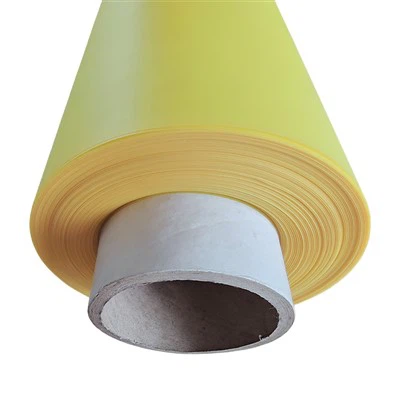
Yo, what’s up? I’m a supplier of PVC printing film, and today I wanna chat about the environmental impact of this stuff. PVC, or polyvinyl chloride, is a widely used plastic in the printing industry due to its versatility, durability, and cost – effectiveness. But let’s take a hard look at how it affects our environment. PVC Printing Film
Production Phase
First off, let’s talk about the production of PVC printing film. The manufacturing process of PVC involves a few steps that can be pretty rough on the environment. One of the main raw materials for PVC is vinyl chloride monomer (VCM). Producing VCM is an energy – intensive process. Factories need a whole lot of electricity to run the machinery and carry out the chemical reactions. And in many places, that electricity comes from burning fossil fuels like coal and natural gas, which release a ton of greenhouse gases into the atmosphere. These greenhouse gases, such as carbon dioxide, are major contributors to global warming.
Another issue during production is the release of toxic chemicals. When making PVC, there are chances of VCM leakage. VCM is a known carcinogen, which means it can cause cancer in humans. Even small amounts of VCM in the air can pose a serious health risk to factory workers and nearby communities. Also, the production process often uses various additives to enhance the properties of the PVC film, like plasticizers, stabilizers, and pigments. Some of these additives can be harmful to the environment. For example, phthalates, a type of plasticizer, have been linked to endocrine disruption in wildlife and humans. They can interfere with the normal functioning of hormones, which can lead to a whole range of health problems, including reproductive issues.
Use Phase
Once the PVC printing film is out in the market and being used, there are also environmental concerns. PVC printing film is often used for outdoor advertising, banners, and signs. These are usually exposed to the elements for long periods. When PVC is exposed to sunlight, heat, and moisture, it can start to break down. This breakdown process releases more of those harmful additives into the environment.
Also, if the printing film gets damaged or is no longer needed during its use, it often gets thrown away. Since PVC is not very biodegradable, it can sit in landfills for a long time. Biodegradation means that microorganisms in the environment break down a material into simpler substances. But PVC takes hundreds of years to break down naturally. And as it sits in landfills, it can leach those toxic additives into the soil and groundwater, which can contaminate water sources and harm plants and animals.
Disposal Phase
When it comes to getting rid of PVC printing film, things get even trickier. Landfills are the most common way to dispose of waste, but as I mentioned earlier, PVC doesn’t break down easily there. Another option is incineration. Burning PVC, however, is a real problem. When PVC is incinerated, it releases dioxins, which are extremely toxic chemicals. Dioxins are persistent organic pollutants (POPs), which means they can stay in the environment for a long time and accumulate in the food chain. They can cause serious health problems in humans and animals, including immune system disorders, hormonal imbalances, and cancer.
The Silver Lining? Recycling
Now, I don’t wanna just paint a completely bleak picture. There is a bit of good news in the form of recycling. Recycling PVC printing film can reduce the environmental impact to some extent. By recycling, we can save energy that would otherwise be used to produce new PVC from raw materials. And it also reduces the amount of PVC waste going into landfills or being incinerated.
However, recycling PVC is not without its challenges. First of all, PVC needs to be separated from other types of plastics before recycling. This separation process can be complicated and expensive. Different additives in PVC can also make the recycling process more difficult. For example, if the PVC film has a lot of different pigments or other additives, it can be hard to recycle it into a high – quality product.
Our Initiatives
As a supplier of PVC printing film, we’re taking steps to reduce the environmental impact. We’re working on using more eco – friendly additives in our PVC printing film. These additives are less harmful to the environment and still give the film the properties it needs for printing. We’re also encouraging our customers to recycle the PVC printing film when they’re done with it. We’ve set up a collection program in some areas where customers can return their used PVC printing film to us, and we’ll make sure it gets recycled properly.
Conclusion
PVC Film To sum it up, PVC printing film does have a significant environmental impact throughout its life cycle, from production to disposal. But there are ways to mitigate this impact, like using more sustainable production methods, promoting recycling, and encouraging proper waste management. If you’re in need of PVC printing film for your business, whether it’s for advertising, signage, or other printing needs, we’re here for you. We’re constantly looking for ways to make our products more environmentally friendly. So, if you’re interested in a more sustainable PVC printing film solution, don’t hesitate to reach out and start a conversation about your procurement needs. Let’s work together to make a positive change for the environment while still getting the job done.
References
- European Union Risk Assessment Report on Vinyl Chloride Monomer
- World Health Organization’s report on Dioxins and their effects on human health
- Studies on the Environmental Fate and Effects of Phthalates by various environmental research institutions
Nantong Dahe Composite New Material Technology Co., Ltd.
We’re well-known as one of the leading PVC printing film manufacturers and suppliers in China, specialized in providing high quality customized products to global clients. Please feel free to wholesale cheap PVC printing film in stock here from our factory. Contact us for quotation and free sample.
Address: South Side of Pinghai Highway, Pinghe Village, Dongshe Town, Tongzhou District, Nantong City, Jiangsu Province, China
E-mail: nantongdahe@outlook.com
WebSite: https://www.cndahetech.com/
