Hey there! I’m a supplier of PPR Fiber – Glass Pipe, and today I wanna talk about the effect of temperature fluctuations on these pipes. PPR Fiber-Glass Pipe
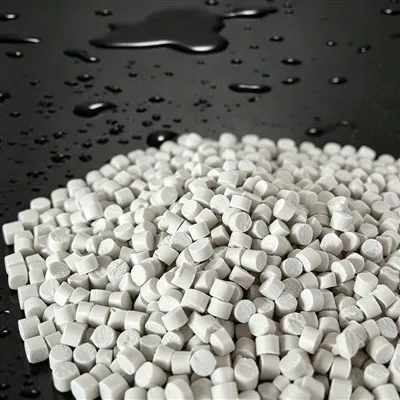
You know, PPR Fiber – Glass Pipe is a popular choice in a wide range of applications, from residential plumbing to industrial piping systems. It combines the advantages of PPR (polypropylene random copolymer) and fiberglass, offering great strength, corrosion resistance, and long – term durability. But temperature is a factor that can’t be ignored when it comes to the performance of these pipes.
Expansion and Contraction
One of the most obvious effects of temperature fluctuations on PPR Fiber – Glass Pipe is expansion and contraction. Just like most materials, these pipes will expand when the temperature rises and contract when it drops. This is due to the basic physical property of the materials used.
For example, in a hot summer day, the outside temperature can soar. If the PPR Fiber – Glass Pipe is exposed to the sun or used in a high – temperature environment, it will start to expand. The expansion rate depends on several factors, such as the material composition of the pipe, the initial temperature, and the magnitude of the temperature increase.
On the flip side, during cold winter nights, the pipe will contract. This expansion and contraction can create stress within the pipe and the joints. If the installation doesn’t take this into account properly, it can lead to some serious problems.
Stress and Joint Integrity
The stress caused by expansion and contraction can have a significant impact on the joint integrity of PPR Fiber – Glass Pipe. In a well – installed system, there should be proper allowances for expansion and contraction. For instance, expansion joints can be used to absorb the extra movement of the pipes.
If there are no proper expansion joints or if the pipes are installed too rigidly, the stress can cause the joints to loosen or even break. A loose joint can lead to leaks, which are a major headache in any piping system. In a residential setting, a leak can damage the walls, floors, and furniture. In an industrial environment, it can lead to the loss of valuable fluids and even cause environmental pollution.
Material Aging
Temperature fluctuations can also accelerate the aging process of PPR Fiber – Glass Pipe. High temperatures can cause the polymer chains in the PPR material to break down over time. This can lead to a reduction in the pipe’s mechanical properties, such as its tensile strength and impact resistance.
When the temperature drops suddenly, the pipe may become more brittle. Repeated cycles of high – low temperature can make this brittleness worse. This means that the pipe is more likely to crack or break under normal operating conditions. For example, in a water supply system, a sudden pressure surge combined with a brittle pipe due to temperature – induced aging can cause a pipe failure.
Flow Characteristics
Another aspect affected by temperature fluctuations is the flow characteristics of the fluid inside the pipe. When the temperature rises, the viscosity of the fluid usually decreases. This means that the fluid can flow more easily through the pipe. In some cases, this might seem like a good thing, but it can also lead to issues.
For example, in a heating system, if the water temperature increases significantly, the flow rate might become too high. This can put extra stress on the pump and other components of the system. On the other hand, when the temperature drops, the fluid’s viscosity increases, which can reduce the flow rate. This might cause problems in systems where a constant flow rate is required, such as in some industrial cooling systems.
Chemical Resistance
Temperature can also influence the chemical resistance of PPR Fiber – Glass Pipe. In general, higher temperatures can make the pipe more susceptible to chemical attack. Some chemicals that the pipe can normally withstand at room temperature may start to react with the pipe material at elevated temperatures.
This is particularly important in industrial applications where the pipes may come into contact with various chemicals. For example, in a chemical processing plant, if the temperature of the chemical fluid flowing through the pipe is too high, it can cause the pipe to corrode or degrade more quickly.
How to Mitigate the Effects
As a PPR Fiber – Glass Pipe supplier, I know how important it is to mitigate the effects of temperature fluctuations. Here are some measures that can be taken:
Proper Installation
Proper installation is crucial. This includes using expansion joints at appropriate intervals. The installation should also allow for some flexibility in the pipe layout to accommodate the expansion and contraction. For example, pipes can be installed in a way that they can move freely within a certain range.
Insulation
Insulating the pipes can help to reduce the impact of temperature fluctuations. Insulation can keep the temperature of the fluid inside the pipe more stable and also protect the pipe from extreme external temperatures. For example, in a cold climate, insulating the pipes can prevent them from freezing and bursting.
Material Selection
Selecting the right material for the specific temperature conditions is also important. Some PPR Fiber – Glass Pipe materials are designed to have better performance at high or low temperatures. By choosing the appropriate material, the effects of temperature fluctuations can be minimized.
The Bottom Line

In conclusion, temperature fluctuations can have a wide range of effects on PPR Fiber – Glass Pipe, including expansion and contraction, stress on joints, material aging, changes in flow characteristics, and reduced chemical resistance. However, by taking proper measures such as correct installation, insulation, and material selection, these effects can be effectively managed.
PPR Fitting If you’re in the market for PPR Fiber – Glass Pipe and want to ensure that your piping system can withstand temperature fluctuations, don’t hesitate to reach out to me for a discussion. Whether you’re working on a small residential project or a large – scale industrial one, I’m here to help you make the right choice.
References
- "Handbook of Plastics, Elastomers and Composites", third edition by Charles A. Harper
- "Pipe Flow Handbook" by Alan T. McDonald and Edwin M. Harbach
- Various technical reports from PPR plastic pipe manufacturers on the effects of temperature on pipe performance
Hebei Ruijie Pipe Industry Co., Ltd.
Address: Industrial Park, Shaozhuang Township, Suning County, Cangzhou City, Hebei Province
E-mail: 1987870474@qq.com
WebSite: https://www.rjpprpipe.com/
