Hey there! I’m a supplier of low rolling resistant conveyor belts, and I’ve been getting a lot of questions lately about how these belts perform in cold environments. So, I thought I’d share my insights and experiences on this topic. Low Rolling Resistant Conveyor Belt
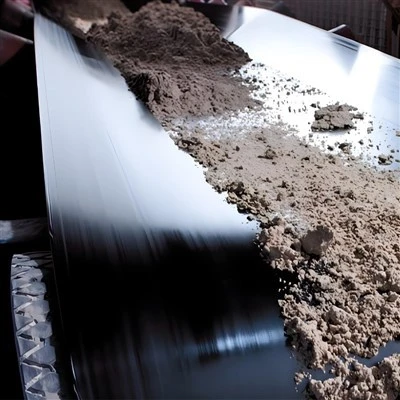
First off, let’s talk about what low rolling resistant conveyor belts are. These belts are designed to reduce the amount of energy needed to move materials along the conveyor. They achieve this by minimizing the friction between the belt and the conveyor rollers, which in turn reduces the power consumption of the conveyor system. This not only saves energy but also reduces wear and tear on the belt and the conveyor components, leading to longer service life and lower maintenance costs.
Now, when it comes to cold environments, things can get a bit tricky. Cold temperatures can have a significant impact on the performance of conveyor belts, especially if they’re not designed to handle the cold. Some of the common issues that can arise in cold environments include:
- Hardening of the belt material: At low temperatures, the rubber or other materials used in the belt can become hard and brittle, which can lead to cracking and tearing. This can not only damage the belt but also cause it to slip on the conveyor rollers, reducing its efficiency.
- Reduced flexibility: Cold temperatures can also reduce the flexibility of the belt, making it more difficult to bend and conform to the shape of the conveyor. This can cause the belt to misalign or bunch up, leading to uneven wear and tear and potential damage to the conveyor components.
- Increased friction: As the belt material hardens and becomes less flexible, the friction between the belt and the conveyor rollers can increase. This can require more power to move the belt, leading to higher energy consumption and potentially overheating of the conveyor motor.
So, how do low rolling resistant conveyor belts perform in cold environments? Well, the good news is that many low rolling resistant conveyor belts are designed to handle cold temperatures. These belts are typically made from special rubber compounds or other materials that are more resistant to hardening and cracking at low temperatures. They also have a higher level of flexibility, which allows them to bend and conform to the shape of the conveyor even in cold conditions.
In addition, low rolling resistant conveyor belts are often designed with features that help to reduce friction and improve performance in cold environments. For example, some belts have a smooth surface finish that reduces the amount of contact between the belt and the conveyor rollers, while others have special coatings or treatments that help to prevent ice and snow from building up on the belt.
Of course, even the best low rolling resistant conveyor belts may require some additional care and maintenance in cold environments. Here are some tips to help ensure that your conveyor belts perform well in cold conditions:
- Preheat the belt: Before starting the conveyor, it’s a good idea to preheat the belt to a temperature of at least 10°C (50°F). This can help to soften the belt material and reduce the risk of cracking and tearing.
- Use a belt heater: If the temperature is extremely cold, you may want to consider using a belt heater to keep the belt warm. Belt heaters are typically installed under the belt and can help to maintain a consistent temperature, even in cold environments.
- Inspect the belt regularly: In cold environments, it’s important to inspect the belt regularly for signs of damage or wear. Look for cracks, tears, or other signs of damage, and replace the belt if necessary.
- Keep the conveyor clean: Ice and snow can build up on the conveyor rollers and other components, which can increase friction and reduce the efficiency of the conveyor. Make sure to keep the conveyor clean and free of debris, especially in cold weather.
- Adjust the tension: Cold temperatures can cause the belt to contract, which can increase the tension on the conveyor. Make sure to adjust the tension of the belt regularly to ensure that it’s running smoothly and efficiently.
In conclusion, low rolling resistant conveyor belts can perform well in cold environments, but they do require some additional care and maintenance. By choosing the right belt for your application and following these tips, you can ensure that your conveyor system runs smoothly and efficiently, even in the coldest of conditions.
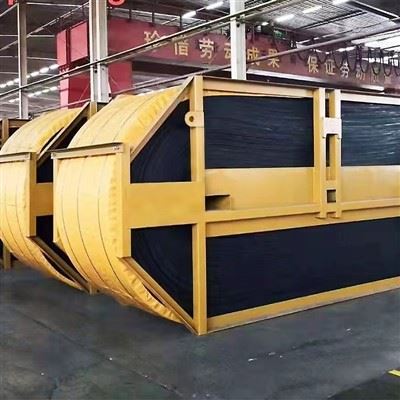
If you’re interested in learning more about low rolling resistant conveyor belts or if you have any questions about how they perform in cold environments, please don’t hesitate to contact me. I’d be happy to discuss your specific needs and help you find the right belt for your application.
Aramid Conveyor Belt References:
- "Conveyor Belt Selection Guide," Conveyor Belt Manufacturer’s Association
- "Cold Weather Conveyor Belt Maintenance," Conveyor Belt Solutions
- "Low Rolling Resistance Conveyor Belts: A Guide to Energy Efficiency," Energy Star
Alumina Technology (Qingdao) New Materials Co., Ltd.
As one of the most professional low rolling resistant conveyor belt manufacturers and suppliers in China, we also support customized service. With abundant experience, we warmly welcome you to buy low rolling resistant conveyor belt for sale here and get quotation from our factory. For price consultation, contact us.
Address: No.448, Jiangshan South Road, Huangdao District, Qingdao City, Shandong Province
E-mail: Gloria.zhang@contitech.cn
WebSite: https://www.altechconveyorbelt.com/
